Life is like musical theater on A Good Reed Review
A Good Reed Review gratefully accepts direct donations via PayPal to help defray the costs of maintaining this site without creating paywalls.

Personal Essay: AI, ghostwriters, editors, and authorship
 I’ve been thinking a lot lately about the use of AI, ghostwriters, and editors, and what authorship really means. Having written a book myself, I know the kind of effort that goes into such an endeavor, even when you know the material extremely well. Getting the wording right, making sure that your ideas come across the way you intend, and even the aesthetics of the prose are all of concern. Writing an essay requires a similar amount of polish as well, although it’s significantly shorter and quicker to write compared to a book. One could even apply the same considerations to something as mundane as an email or a personal letter. All that said, what exactly is authorship? Are you technically an author if you use a ghostwriter to write your manuscript for you, or are you committing a type of fraud by taking credit for something that you didn’t actually do? Is the manuscript still your work if an editor changes it, or is that a matter of degree? [Continue reading]
Personal Essay: The dangers of indoctrination
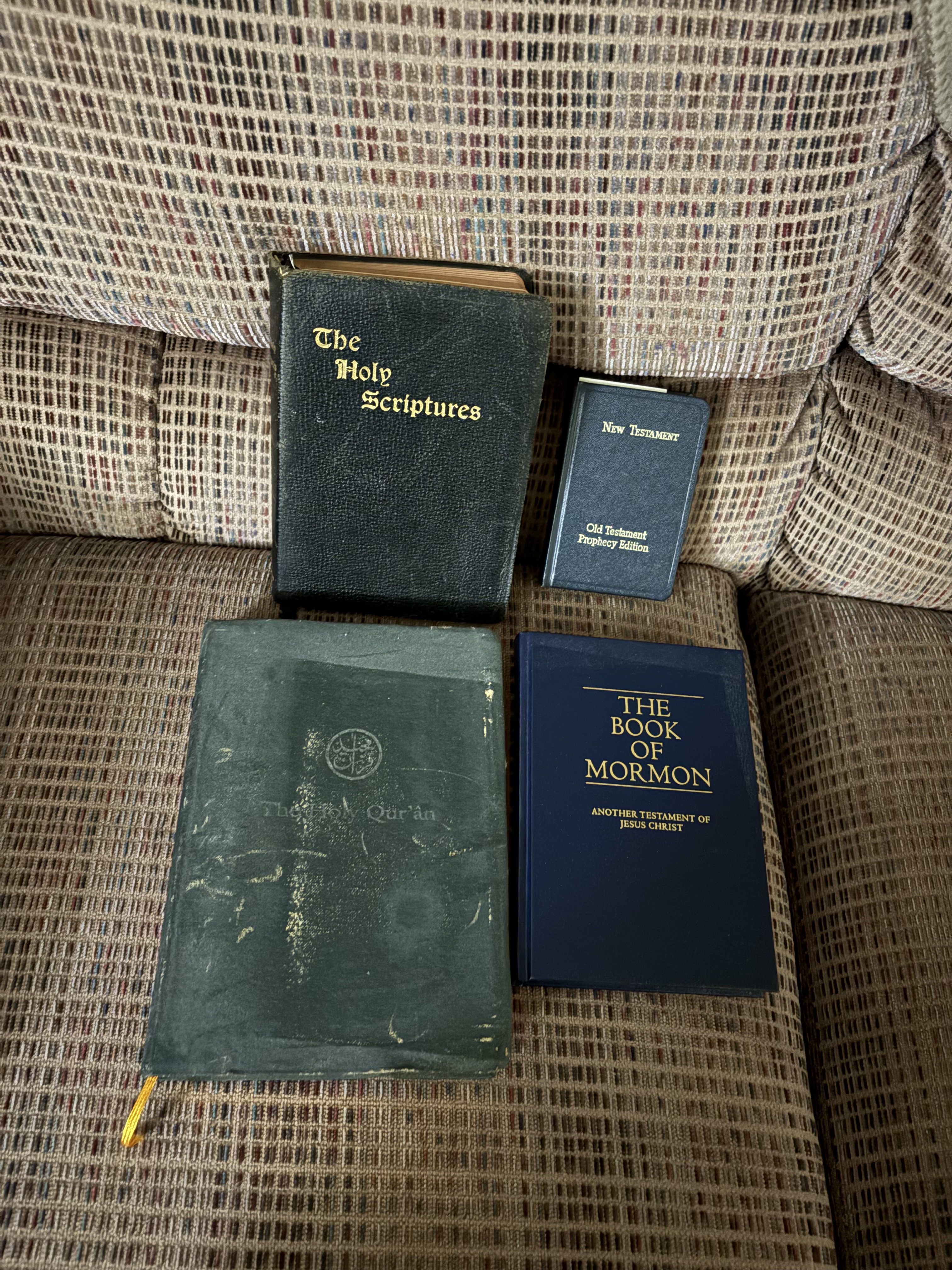 I’ve long been wary of indoctrination. The Concise Oxford English dictionary defines the verb indoctrinate as:
“Cause to accept a set of beliefs uncritically through repeated instruction.”
Indoctrination is the practice of indoctrinating, and the most common form of indoctrination is how religion is often presented to young children by their parents and clergy with whom they are acquainted. They are generally taught from early on that these religious beliefs are not to be questioned. They are to be accepted without evidence as facts. [Continue reading]
Personal Essay: Why be good?
 I’ve long held that it doesn’t take faith for somebody to be good, or more to the point, to be a good person. What exactly is a good person though? Realistically a good person is one who treats others with respect and who sees beyond their own nose striving to do what they can for the greater good. This isn’t about politics. It’s about science, philosophy, and survival. [Continue reading]
Book: The Shadow Friends, by Tess Gerritsen
Spies never really leave
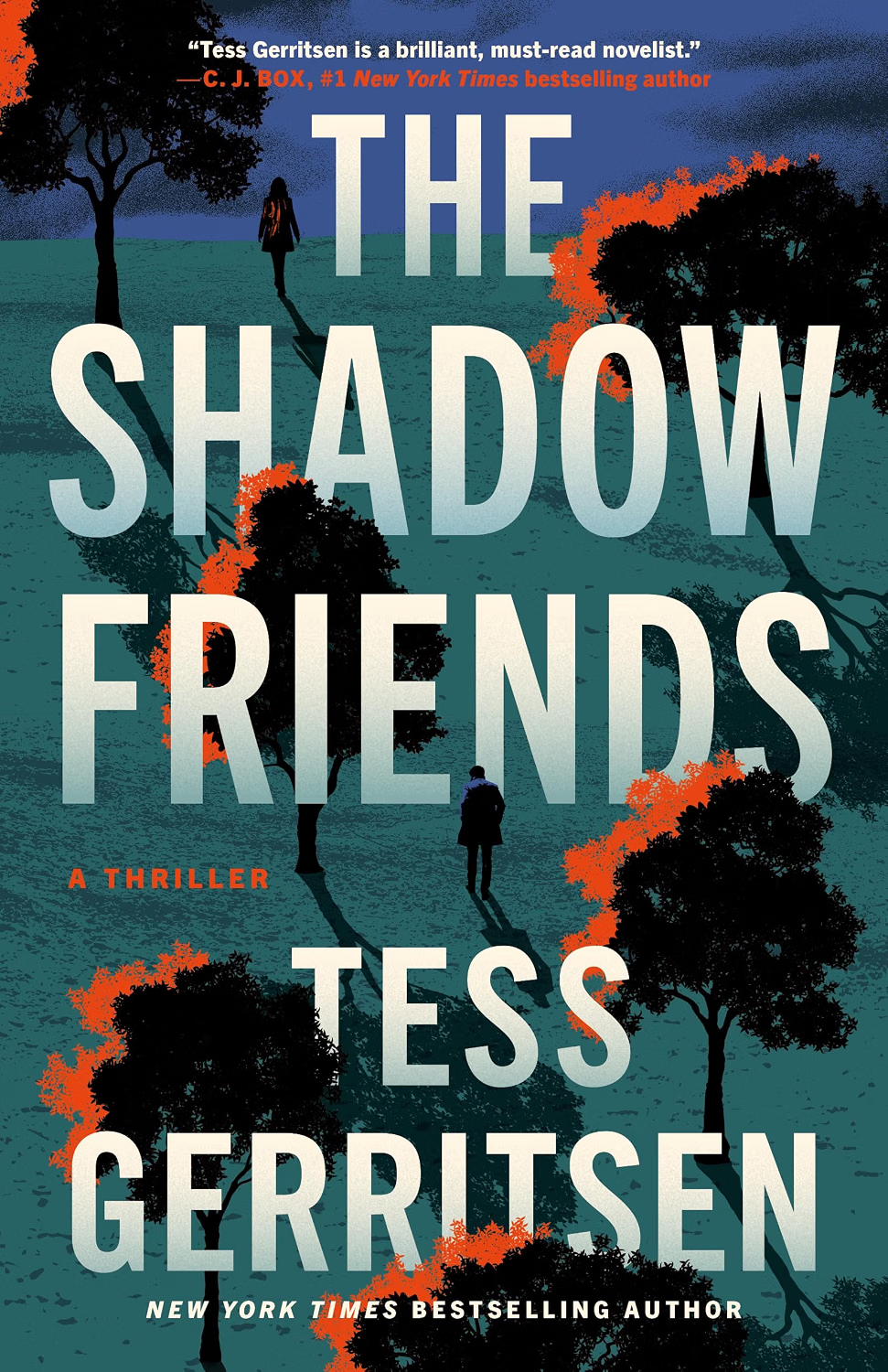 Tess Gerritsen’s Martini Club series continues with the third book, The Shadow Friends. The main story takes place in Purity, Maine, a quaint little rural town with some big secrets. Maggie Bird, Declan Rose, Ben Diamond, and Ingrid and Lloyd Slocum form The Martini Club, a tight knit group of former CIA folks enjoying their retirement but their past lives keep cropping up in unexpected and dangerous ways. Maggie, Declan, Ben, and Ingrid were operatives, while Lloyd was an analyst, and their skills still come in handy more often than one might think they should now that they are retired and living out what was supposed to be a comfortable, quiet life with friends and family. [Continue reading]
Book: Rage, by Linda Castillo
Falling in with the wrong crowd can be deadly
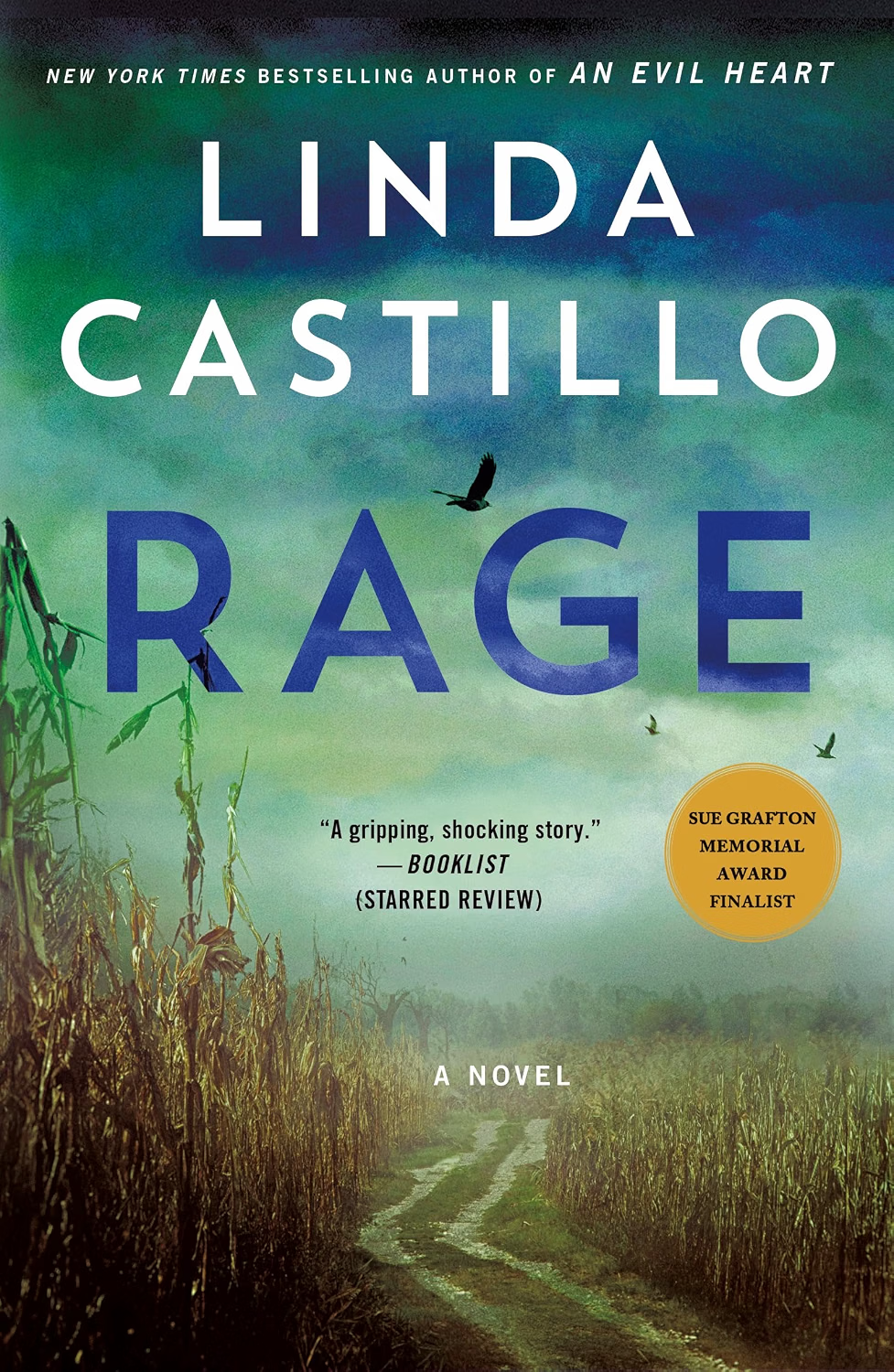 The seventeenth (and final to date) Kate Burkholder mystery by Linda Castillo is Rage. Castillo takes readers on a very dark journey this time showing them just how dangerous falling in with the wrong crowd can be. Throughout the series, she’s given readers some insight into the Amish way of life including some of the things that young people get into during their rumspringa (or “running around” period). That’s the time when teens are allowed to disregard the strict rules governing the Amish way of life and experience the outside world for a time before they choose whether to commit the rest of the lives to the plain life or leave the community for the outside world. It happens before they are baptized, and it can last for a few years in their mid-to-late teens. The normal extravagances are things like shedding the traditional clothing, partaking of drink and perhaps tobacco, and using language that is frowned upon in Amish culture. Some of the more rambunctious kids take even greater liberties not only ignoring the Amish rules, but also skirting some of the laws governing the outside (or English) world. When things go even further afield, some of these kids can fall in with dangerous crowds or more sophisticated criminals looking to take advantage of their naiveté. When this happens, the results can be life threatening. This is one such story involving multiple innocents who stray way too far from the lives they knew with tragic consequences. [Continue reading]
Book: The Family Liar, by Teri Kanefield
Surviving and thriving despite family challenges
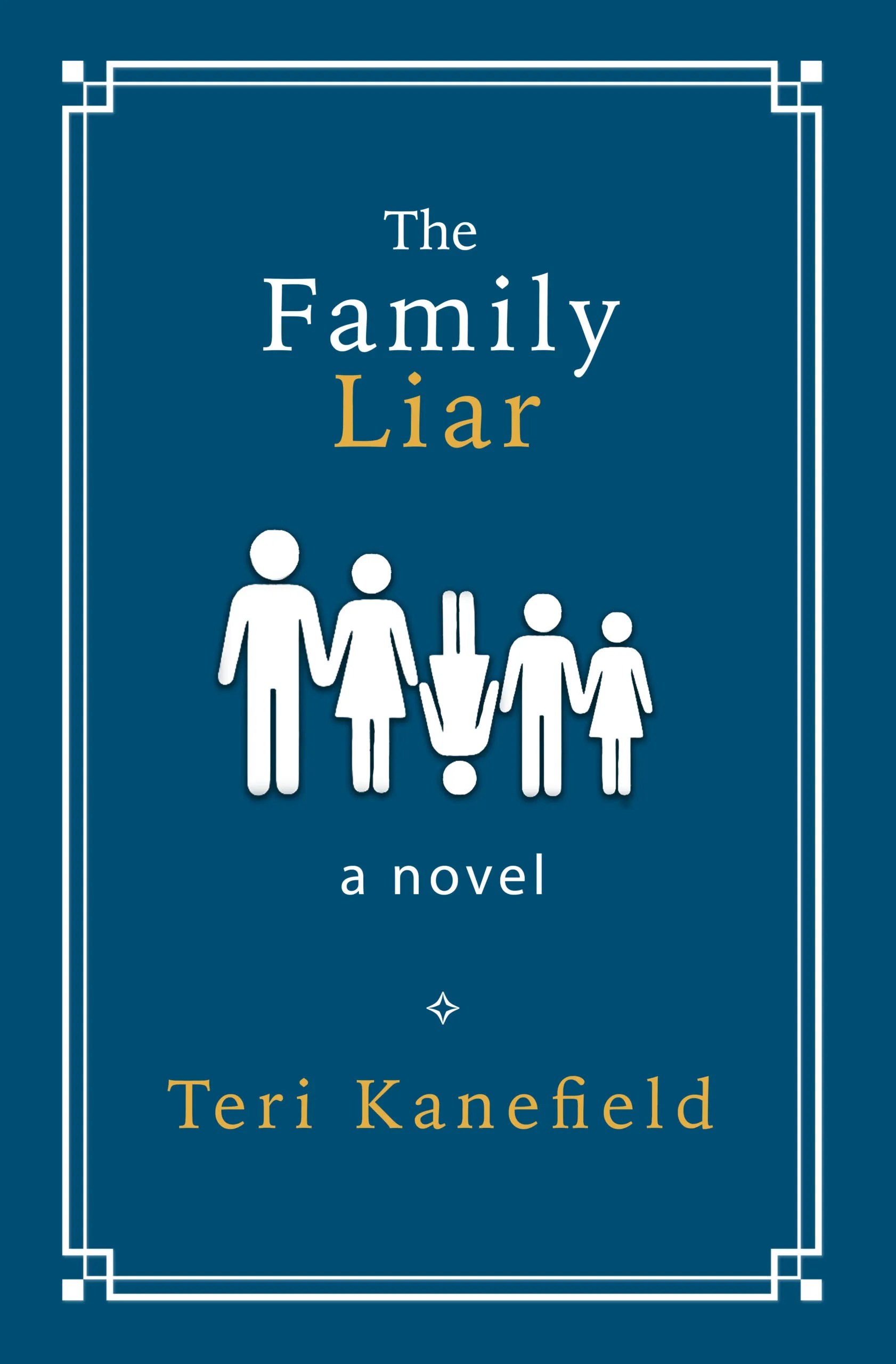 Teri Kanefield has had multiple careers from teaching, to practicing law as an appellate attorney, to entertaining and informing through her writing. There is some overlap in all of it as she’s pursued her writing from many perspectives. She’s written numerous books across a wide spectrum from detailed biographies of various icons from American history, to entertaining and informative novels, to children’s books. And of course there were her appellate briefs that also told serious, factual stories and in doing so had to capture the attention of and persuade her intended audience – the judges and justices sitting in judgement. More recently, she’s also taken her writing to the internet through her blog and social media as she entertains and informs her audience.
When Kanefield releases a new work, it’s always worth reading, and she’s releasing a new novel entitled The Family Liar at the end of March 2026. The story is riveting and tough to put down. [Continue reading]
Book: The Ensemble, by Aja Gabel
Musical ensembles are like family
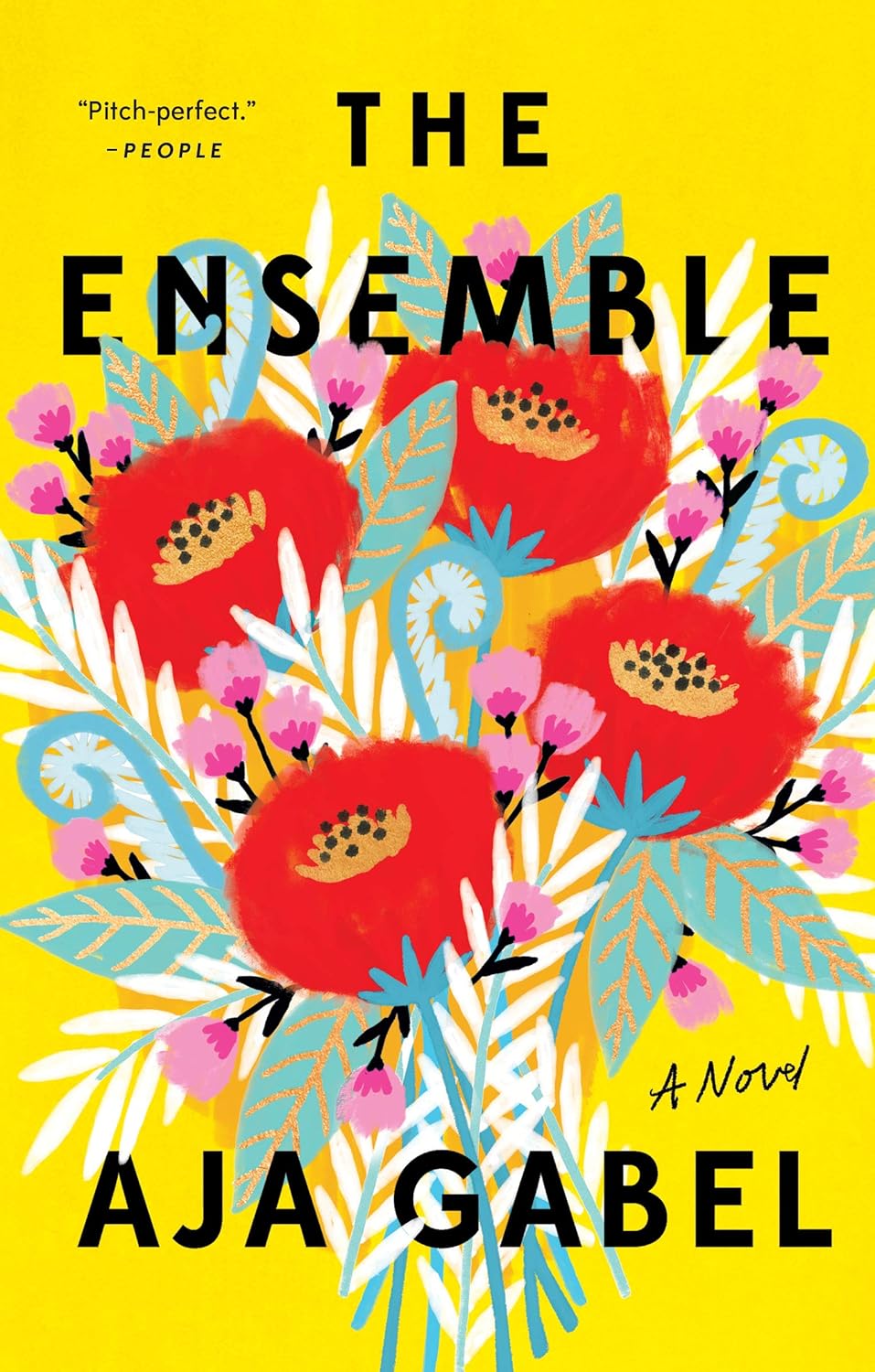 Aja Gabel’s debut novel, The Ensemble, is a masterwork combining her early training as a musician with her prowess as a writer. She follows Jana, Brit, Henry, and Daniel from their first meeting as graduate students at the San Francisco Conservatory through the twists and turns of their lives as musicians playing together in a tight string quartet. Of course the closeness the ensemble requires tightly intertwines their personal and professional lives. Gabel injects her thorough knowledge of music and the idiosyncrasies of the instruments involved given her experience as a violinist and cellist into the story. She alternates voices between the members of the quartet by chapter focusing on each individual’s point of view. [Continue reading]
Book: Mind Games, by Nora Roberts
A complicated gift
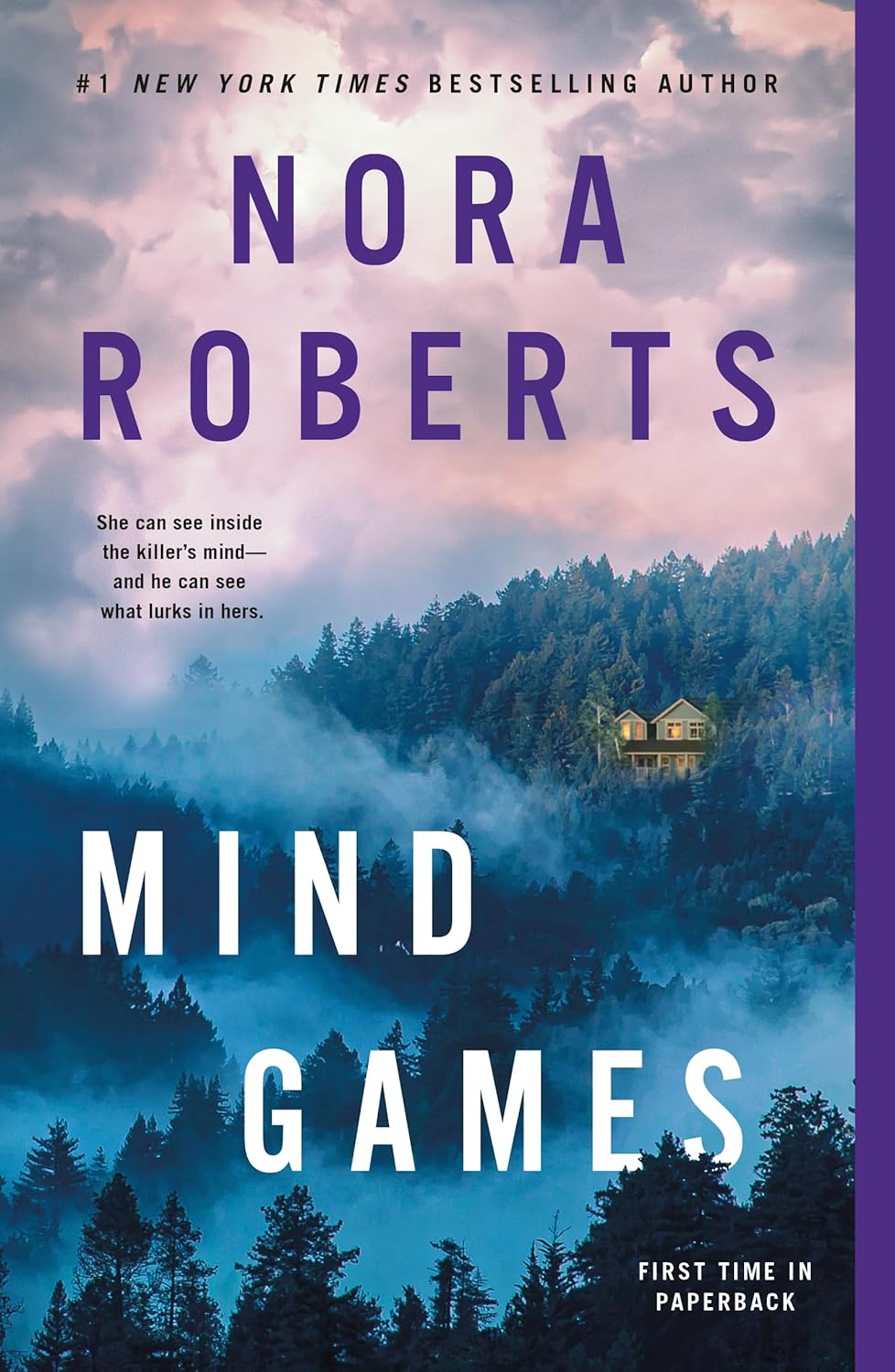 Imagine that you could read another person’s thoughts seeing what they see or have seen. In Nora Roberts’ 2024 book, Mind Games, Thea Fox has such a gift. It’s a gift that runs in her maternal line. While her mother also had the gift, it scared her, so she chose not to use it. Thea’s grandmother, on the other hand, recognized that the gift wasn’t something she asked for, but it was something that she had, and as such she wasn’t afraid of it. Instead, she treasured it, but didn’t abuse it. She knew its power, and chose to use it to help others. [Continue reading]
Book: Midnight at the Bright Ideas Bookstore, by Matthew Sullivan
Save the BookFrogs
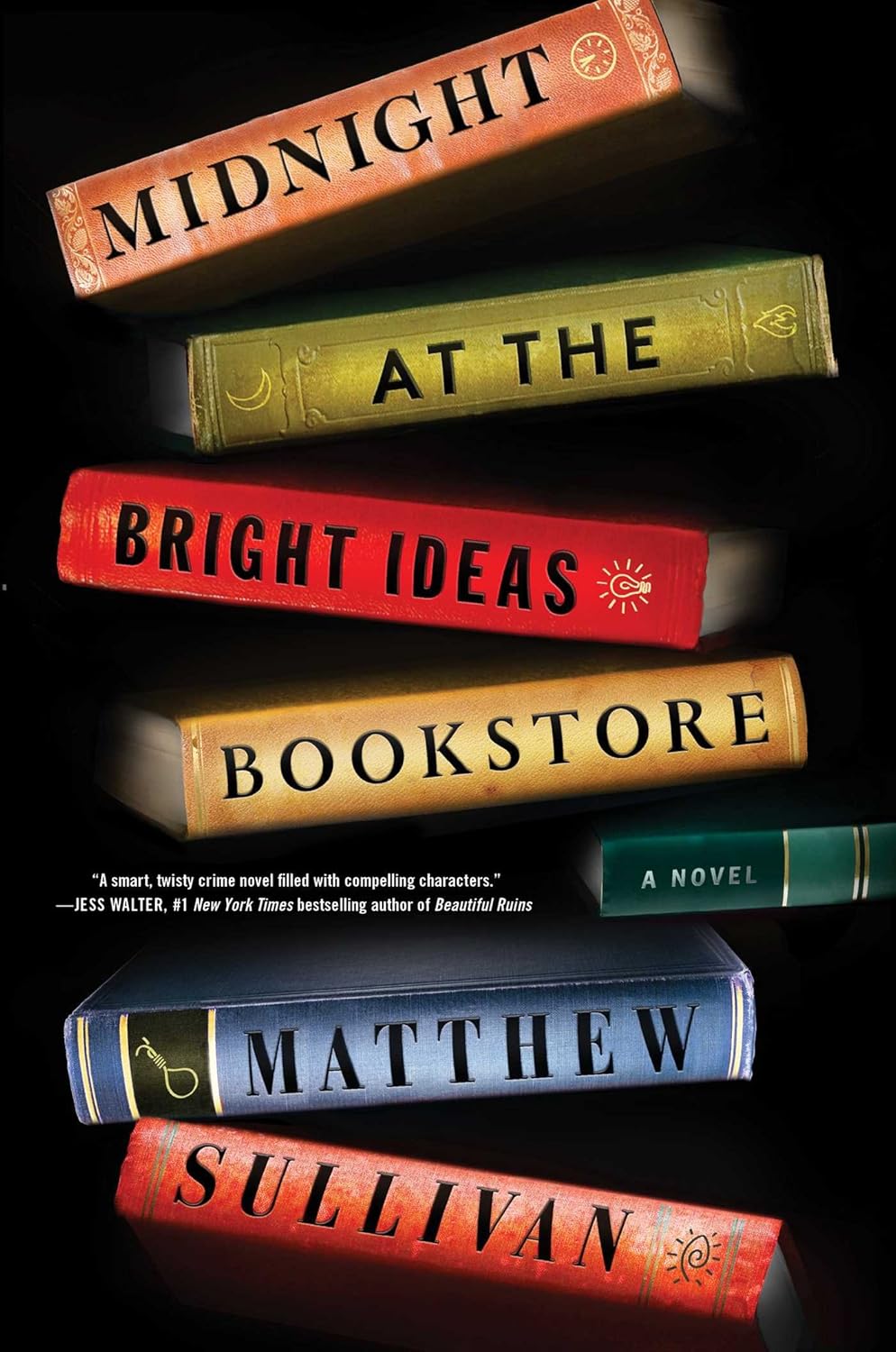 Matthew Sullivan, previously known for his short stories, burst onto the book scene in June 2017 with his debut novel, Midnight at the Bright Ideas Bookstore. With shades of O. Henry in its twists and turns and a surprise ending, Sullivan gives readers puzzles within puzzles to solve as he leads them through parallel mysteries from the present and a harrowing past. Lydia is a bookseller who is more comfortable with the books she sells than with people, and yet she’s a favorite of the BookFrogs, the dejected loners from multiple walks of life who find solace in the Bright Ideas Bookstore. One young BookFrog, Joey Molina, a troubled fellow with a past and a secret takes a shine to Lydia. She’s his favorite bookseller, and she’s kind to him. One night when she finds Joey in the store’s upper room hanging from a self-fashioned noose, her life changes forever. She too has a past seeping with violence that she’d rather forget but can’t, and now she is caught in the present with a mystery she must solve. Why did Joey kill himself? And, after finding out that he’d left her all of his earthly possessions, she discovers a disturbing yet tantalizing puzzle going beyond that single event. [Continue reading]
Book: The Secret of Secrets, by Dan Brown
The race to understand consciousness
 The latest Dan Brown book, The Secret of Secrets, is a wild ride. This sixth Robert Langdon book was released in September 2025 and is a little longer than typical Dan Brown fare. Like the others in the series, this one too stands on its own. The only connection to the series is that Brown’s protagonist, Robert Langdon, finds himself in yet another mishap not of his own making but with much at stake. Brown starts with a note to readers that all of the science, symbols, artwork, organizations, and documents referenced are real, fantastic as they will seem. The premise of the book is that noetic research is reaching a critical point in proving that human consciousness is nonlocal, i.e., doesn’t emanate from within our own minds but is instead something that exists outside of individuals. In essence, although it takes some time to get to this point in the story, nonlocal consciousness implies that human minds are merely receivers much like radios. The consciousness is out there to be experienced, we just have to learn to tune our filters to let it in. Imagine the power that implies. As such, there’s an international race to both understand and harness that power, not necessarily all for good. [Continue reading]
Book: Why Intolerance and Extremism Happen: Understanding Our Deepest Divides, by Teri Kanefield
Understanding why extremism and intolerance happen
 For several years now Teri Kanefield has been trying to help people understand how we got to where we are in the U.S. and the world, and more importantly, what we can do about it. After taking another deep dive in a lengthy blog post written over the course of several months explaining why extremism and intolerance happen, Kanefield decided to take a another look at the material with the intention of further focusing her presentation. Over time, she rewrote the piece and ended up with a crisp book of around 100 pages. The blog post now contains the content of the book, Why Intolerance and Extremism Happen: Understanding Our Deepest Divides. [Continue reading]
Book: 107 Days, by Kamala Harris
Kamala Harris almost did the impossible
 107 Days by Kamala Harris reads like a combination of a thoughtful diary, a comprehensive memoir of the crushingly short campaign, and a message of hope and determination from a woman who has made it her life’s work to serve the public good to the best of her ability. The book is brutally honest, but not in an inflammatory way. This isn’t a Hollywood tell-all, shovel the dirt reveal. Instead it is a look inside not only what makes Kamala Harris tick, but how her decisions, actions, hopes, and dreams affect those around her and beyond. It’s clear that Harris takes her work seriously. She sets an example not to gain notoriety, but because it’s the right thing to do. She owns up to her mistakes, learns from them, and moves forward. That’s the mark of intelligence and understanding. She’s honest about the monumental task that was thrust upon her noting that she didn’t expect anybody to vote for her because she said so. She worked very hard to earn everyone’s votes. She recognizes the reality that only about a third of voters actually voted for her opponent, Donald J. Trump. She also recognizes that of the two thirds who did not vote for him, about a third voted for her. The rest either stayed home or voted for somebody else. In that, she regrets not having reached them with the urgency of the task at hand. The race was extremely close, and Trump only won his plurality (not a mandate) by 1.5% of the popular vote. In a country of 340 million, that’s a minuscule margin of public approval and not anywhere close to a mandate. The Electoral College told a different story, but that has been badly skewed for decades and truly has lost its usefulness. Still, it unfortunately is how U.S. presidential elections are currently determined. [Continue reading]
Book: The Summer Guests, by Tess Gerritsen
The line between guests and residents can be a fractious one
 The second book in Tess Gerritsen’s Martini Club series, The Summer Guests, again returns to Purity, Maine. Maggie Bird, Declan Rose, Ben Diamond, and Ingrid and Lloyd Slocum are again involved in solving not just one crime, but also an old one that took place decades ago in the secluded hamlet they now call home. The five members of the Martini Club are ex-CIA operatives who were just looking for a quiet retirement, but while spies can leave active duty, they can’t turn off their zest for solving the puzzles that come their way. This time, Maggie rounds up the club when her friend and neighbor, Luther Yount, is arrested for something he didn’t do. [Continue reading]
Book: The Black Wolf, by Louise Penny
What happens when the water runs out?
 “What happens when the water runs out” is a key question asked in The Black Wolf, the twentieth (and currently the latest) mystery novel in Louise Penny’s Gamache series. Penny wrote the book in 2024 and finished writing before the U.S. election that year though the book wasn’t released until October 2025. Surprisingly, the story mirrors the 2025 reality in startling and disturbing ways. It’s almost as though Penny was clairvoyant picking up immediately after the crisis solved in The Grey Wolf. Her cliffhanger stated outright that there was more to the crisis than they thought. What Armand Gamache didn’t know in leading his Sûreté du Québec Homicide division team was that they faced a crisis of international proportions borne of government corruption and environmental changes on a scale they couldn’t imagine. He’d kept that last case close to only himself and his seconds, Jean-Guy Beauvoir and Isabelle Lacoste, the only fully trusted members of his team. This time he continues this, but even with them, he holds back some key components he’s able to put together along the way. The previous book dealt with a plot to poison the Montréal metro area’s water supply. This one asks the question of what happens when the water runs out? [Continue reading]
Personal Essay: Public education and common knowledge
 I was lucky. I grew up in a time when public education was thriving. There were still some differences depending upon where one lived. Still, everyone had access to public education for K-12, and public colleges and universities were affordable. At that time, the federal government covered about 80% of the public education costs while states, students, and other private funding covered the remaining 20%. Beyond the minimal costs, I lived in a state that had an excellent public education system at the time. There were general requirements that ensured that graduates had a core of knowledge that allowed them to be productive citizens. Beyond fundamental math, reading, and writing skills, high school graduates had a basic understanding of how our government was structured and functioned, and at least a passing familiarity with our nation’s history, the good and the bad. That gave them the basic skills necessary to pursue employment, to vote responsibly, and if desired, to pursue higher education. [Continue reading]
Personal Essay: We all have to be our kind
 I was thinking back to a show years ago when I moved from the pit to the cast as an actor. I wrote about my experience of climbing out of the pit in a commentary piece a few months after the show closed as I prepared to jump back into the pit in another production. Being an actor rather than a musician for that production was memorable in so many ways. Overall it was a good experience to move to a new perspective and role. As I think back on that, one preshow conversation keeps coming to mind in a completely different light than it shed at the time. The theater company that put on the show had a long standing tradition of holding a company call before each performance. It happened after the house was open, the audience was milling about the lobby and the auditorium, and the performers had hopefully completed their final preparations to begin the performance. The entire company was invited to meet just outside of the stage left entrance. Announcements were made. Awards were sometimes given. Hugs were shared. Questions were answered. And it was a pleasant time for the company to come together as a whole before getting to places for curtain. [Continue reading]
Personal Essay: Insights through the arts
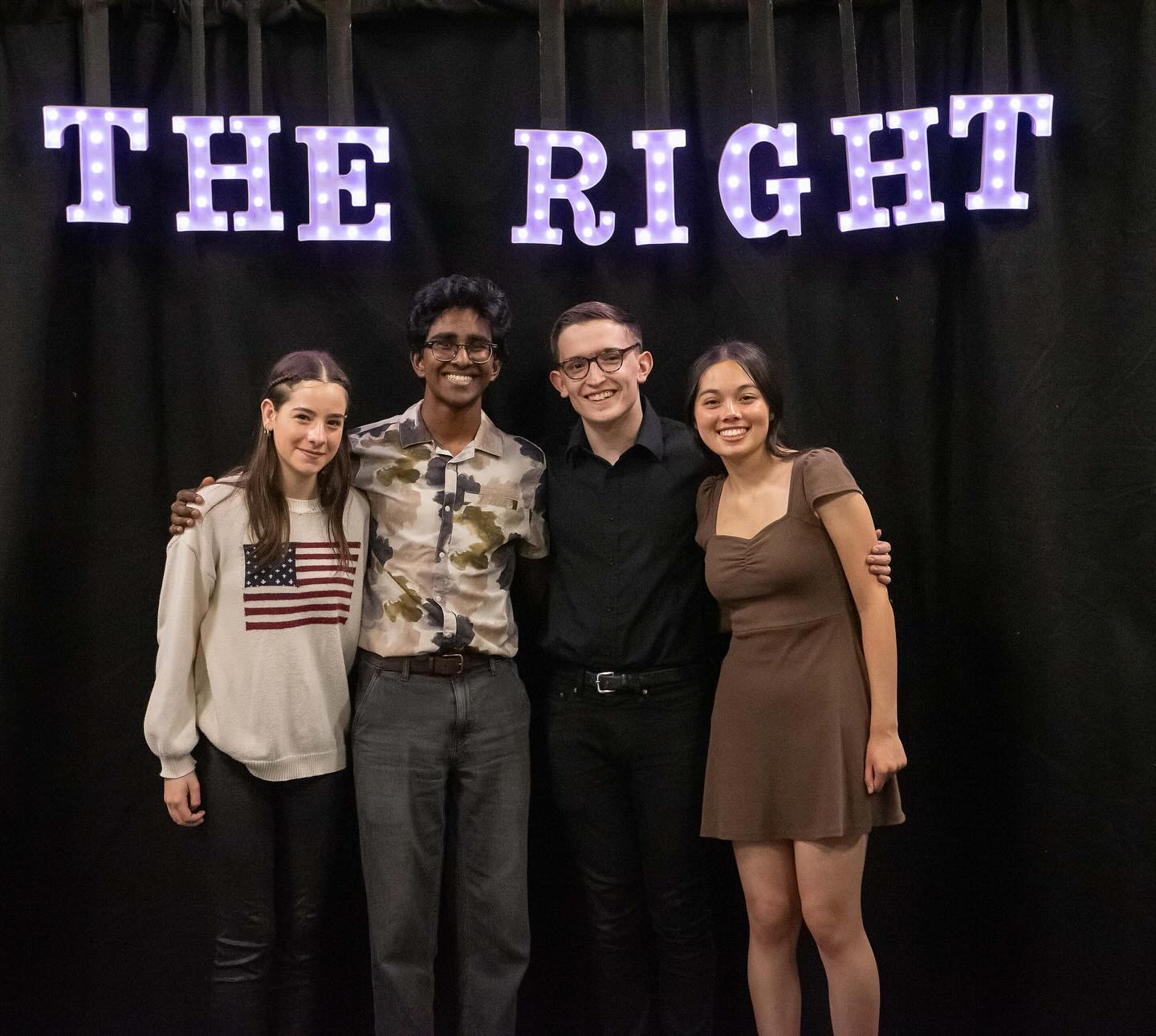 Senior year of high school is often fraught with decisions. For the academically inclined, this is the year when students make a series of decisions that have a monumental impact on the rest of their lives. It’s the year when they have to decide which colleges they’ll apply to (if indeed they are planning to go straight from high school to college). Later when the acceptances start rolling in, they have to decide which college they’ll attend. For many of these students, these college related decisions overtake their world. They visit campuses. They talk with friends, family, school advisors, current college students, faculty, and admissions staff, and they try to make the decision that is best for them given what they know about their interests at that time. They also still continue to attend their high school classes through their senior year, maintaining their academic performance that got them to this point in their lives. They may also have part time jobs that require their attention. They have familial responsibilities. For those students seeking an arts related college program, they may also have to audition or submit portfolios for consideration as part of the application process. In short, they are busier than they have ever been. For Val Zvinyatskovsky, this was only part of what occupied his time through his senior year of high school. In addition to his studies, campus visits, and holding down several arts-related jobs across performance, tech, and teaching, he also put his thoughts into a musical production as the composer, lyricist, librettist, and director. Barely a week after his high school graduation, he debuted his new one-act musical, The Right: A Gameshow Musical, in a special one night presentation, a video of which is available for all interested viewers. [Continue reading]
Book: The Phoenix Crown, by Kate Quinn and Janie Chang
The Phoenix Crown: A tale of intrigue and survival
 The Phoenix Crown by Kate Quinn and Janie Chang is a brilliant work of historical fiction that takes place surrounding the 1906 San Francisco earthquake. The story surrounds four fictional women who come together through happenstance and trauma and become not only fast friends, but heroes during the earthquake and after. Quinn and Chang weave a fascinating tale of intrigue, murder, survival, and quite a bit of history in this one. The Prologue begins with a glimpse many years past the end of the story. Then Chapter 1 quickly rewinds to just under two weeks before the earthquake. There was a lot happening in the city just then, and the authors capture the many events coalescing in those fateful two weeks. They also capture the horror and chaos that surrounded the earthquake and its aftermath as the city burned. For those from California and especially the San Francisco Bay Area, the earthquake portion of the story is terrifying, yet the courage and tenacity shown by the protagonists is uplifting and inspirational. [Continue reading]
Book: Rebels, Robbers, and Radicals: The Story of the Bill of Rights, by Teri Kanefield
A timely history of the Bill of Rights
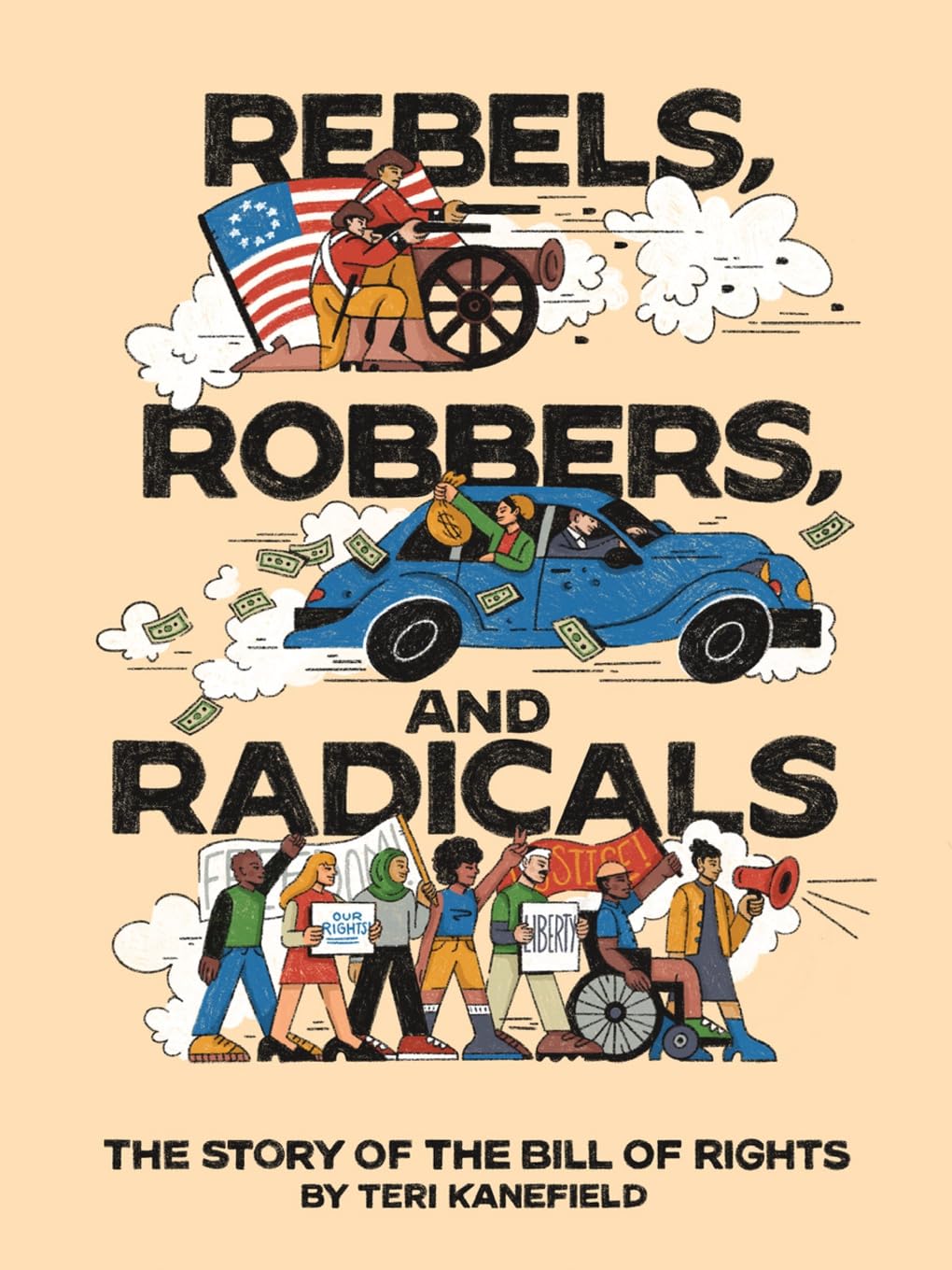 Teri Kanefield’s writing is often quite timely, and her latest book is no exception. At a time when individual rights are in peril, Kanefield’s upcoming book, Rebels, Robbers, and Radicals: The Story of the Bill of Rights, tells the story of not only how the Bill of Rights came to be and why it was needed but also how the interpretation of those rights has changed since their initial ratification. The book is due out on 20 May 2025, and it would be a great addition to everyone’s personal library, especially now. This concise volume, clocking in at a slim 224 pages, tells a story every American should know. The Bill of Rights is the collection of the first ten amendments to the Constitution, and in those amendments lie the foundation of our individual rights under the law. The publisher lists this volume as appropriate for young readers ages 10-14, but in reality this book is also an excellent reference for anyone young or old. It’s written at same level that Kanefield used to write her appellate court briefs. She doesn’t talk down to her readers and seeks to inform them through compelling stories about real people from our history to illustrate the critical aspects of each of these amendments. She also incorporates applicable law, explaining terms where unfamiliarity may hinder understanding. [Continue reading]
Personal Essay: Are left-handers sinister?
 Historically, left-handedness was considered sinister, stemming from the Latin for left. Its counterpart is dexter meaning right. The term sinister took on its nefarious character fairly early on though.
From a population perspective, about 10-12% of the human population is naturally left-handed, though some cultures strongly either discourage left-handedness, or outright forbid it. In the U.S. it was common to “convert” left-handers to using their right hand instead through the first half of the 20th Century. That slowly started changing in the 1960s and 70s, but educational theory at that time still focused on ensuring that children had a dominant side. Even that has fallen out of favor today. After all, being ambidextrous can be a great advantage at times. [Continue reading]
Personal Essay: What is imagination?
 Some time ago, a friend and colleague posited that religious fundamentalists and extremists, which he equated to cult members, had no imagination. He said that’s what locked them into doggedly following their leader’s demands without question no matter how extreme or dangerous those demands were. While he was specifically talking about some egregious situation surrounding the rabid political divisions between the far-right extremists and pretty much everyone else, I started thinking about the concept of imagination overall. What is imagination? How is imagination employed? What are the benefits of having an imagination? Does a lack of imagination make somebody more susceptible to fundamentalism or cult participation, or more perilously, does lacking an imagination make somebody dangerous? [Continue reading]
Book: A Firehose of Falsehood: The Story of Disinformation, written by Teri Kanefield, illustrated by Pat Dorian
‘A Firehose of Falsehood’ is a must read!
 A brilliant new book entitled A Firehose of Falsehood: The Story of Disinformation written by Teri Kanefield and illustrated by Pat Dorian is finally available to all (as of 13 February 2024). You can buy your copy at your favorite brick and mortar bookseller, order it online, or borrow it from your local library. In August 2023, I had the opportunity to review a pre-publication copy of this stunning work, and it packed a punch. I more recently received a pre-publication hardcover copy of the book which I was eager to see. Although it was the same material as the digital version I previously reviewed, it was even more gripping in hardcover. This is a must-read book for everyone. A Firehose of Falsehood is a graphic novel, and as such, the illustrations are an integral and powerful part of the story. Kanefield wrote the informative and entertaining prose, and Dorian’s breathtaking four-color illustrations make this book also a work of art. [Continue reading]
Personal Essay: Books matter
 Something unexpected happened recently.
Almost a year ago, I wrote an essay about a controversial post I made on Facebook with a simple thesis. Reading and listening are not the same thing. In the course of my background reading for that piece, I dug into some of the research surrounding the differences between reading and listening as it pertained to absorbing and processing written material. One interesting note came to light during that investigation, that being that there’s also a difference in comprehension and retention based on how you read printed material. There was some study evidence that reading an e-book isn’t quite as good for comprehension as reading a physical book. Given that wasn’t the focus of my previous essay, I noted it, mentioned it in passing in the essay, and set it aside. … All that aside, I recently experienced an unexpected demonstration of the power of a physical book compared to its electronic sibling. [Continue reading]
Personal Essay: The splooting squirrel
 It’s important not to forget about the simple things in life. … Recently, I was bringing in my garbage and recycle bins after pickup and noticed a squirrel watching me from the nearby fence. It wasn’t on top of the fence though. There are often squirrels running up and down the trees and fences in our development, but this little fellow was splooted vertically, head down, tail up, on the fence. I was intrigued. I’ve seen other squirrels do this on tree trunks from time to time, usually watching and chasing each other, but I hadn’t before seen one do this on a fence all by itself this way. When they are on the fence, they are usually in motion either running up or down or along the top of the fence. They sometimes stop and sit (not sploot) on top in a more stable position for a variety of reasons, especially if they are carrying something and need to adjust their load. [Continue reading]
Fiction: Humans are Weird
 I am an observer not of this world, though most of the life forms that inhabit this planet have no knowledge of my existence which is probably a good thing. I’m here to observe and report back whether Earth is receptive to a cultural exchange with our world. So far it’s clear that none of the life forms from this world would yet be able to reach ours on their own although sometimes an early exchange can prove beneficial to all concerned. Sadly, from my observations thus far I’m inclined to recommend against such an exchange at this time. While the life forms on this planet pose no direct threat to us, our presence would greatly complicate the situation for the life forms on this planet and would undoubtedly change the course of their development. [Continue reading]
Fiction: What a Rat Race
 Robert was restless. He looked around quickly and then took off running through the lab, climbing over various apparatus, leaping from landing to landing, until finally stopping atop a bookcase in the corner. It was late, the lights were dimmed, and he wanted to play. This was not an unusual occurrence after the scientists left for the day. [Continue reading]
Book: Democracy Awakening: Notes on the State of America, by Heather Cox Richardson
‘Democracy Awakening’ puts it all in perspective
 Heather Cox Richardson’s newest book, Democracy Awakening: Notes on the State of America, was released on 26 September 2023 and is a must read to understand how we got to where we are, the dangers we face, how Americans have strengthened our democracy in times of yore, and finally, how we can again counter the authoritarian threat and reclaim our democracy from those who would abolish it forever. For those who regularly read Professor Richardson’s nightly newsletter, Letters from an American, there isn’t a lot of new material in this book. What is new is how Richardson has condensed the journey and the solution into this tight volume. This isn’t a big book. In fact, it’s a collection of 30 essays of six to eight pages apiece. Bounding these essays are a Forward introducing the material and discussing how the book came about and a Conclusion at the end tying together the pieces of how we could go about recovering and strengthening our democracy going forward. Richardson is honest that she can’t say it’s a sure thing, but the vast majority of Americans want our democracy to survive. The question is whether the overwhelming majority of people will pull together to make it so. Only time will tell. [Continue reading]
Book: Children of Memory, by Adrian Tchaikovsky
‘Children of Memory’ completes the journey
 Adrian Tchaikovsky’s series that began with Children of Time, concludes with Children of Memory, released in November 2022. Again many of the characters (or their descendants from previous books) are back. This time, an instance of the AI known as Avrana Kern is built into yet another interstellar ship. She and all of her other instances are what remain of the ancient human terraformer/scientist who jump-started the advancement of numerous species on diverse worlds, though not all intelligent life was directly the result of her intervention. The ship this time is called the Skipper, and its crew is comprised of a Human (with a capital H), a few portiids (a type of intellectually advanced jumping spider), an enhanced octopus, an interlocutor or observer who has taken Human form but is in reality a colony of intelligent entities from the planet Nod, and two new arrivals. [Continue reading]
Book: Woodwind Instruments: a practical guide for technicians and repairers, by Daniel Bangham
The book every woodwind player and technician should have
 Woodwind Instruments: a practical guide for technicians and repairers by Daniel Bangham is a new release that will be a useful reference for woodwind technicians and players alike. Expected in late October 2022 through The Crowood Press, Bangham’s book provides instructions for setting up a complete workshop to repair and maintain clarinets, flutes, saxophones, oboes, and bassoons. The detailed repair instructions for technicians include most routine and complex repairs they might encounter. For players, the book can serve as a guide on caring for their instruments along with what to look for when they are encountering problems going so far as instructing them on some stop gap measures until they can get their instruments to a repair shop. The book is aimed at technicians, particularly given the specialized equipment needed to affect repairs, but understanding more about how their instruments work helps players get the most out of them even if they don’t want to try to make the repairs themselves. [Continue reading]
Personal Essay: What is reality?
 In our current world, there is a great deal of effort being expended to bend people’s perceptions of reality to gain personal, organizational, or even national advantage. I’ve written about the dangers of propaganda before, and in modern society with its current technological advancements there are more tools available today than ever before to impose false realities, i.e., to create mythologies. … Taking a step back from current world events, it’s instructive to consider something that Yuval Noah Harari observed. In his book Sapiens: A Brief History of Humankind, he introduced the idea of common myths, upon which all of our modern societies are based, suggesting these myths may have primed us all to be open to persuasion in direct conflict with our own observations. [Continue reading]
Fiction: A World Without Lies
 As happened most nights, Alex and Rowan Jeffries were having an impassioned discussion over dinner. The twins had been sharing a house for most of their lives, Alex a professor of biochemistry and Rowan a professor of music and religious studies at the same university. Having grown up together and only living separately as university students because they attended different schools in different states, it was both comforting and financially practical to have come together again once their student days were over. Neither had ever been married, and they considered one another perfect roommates. They relied on each other and were the best of friends even though they had a few notable philosophical differences. In fact, those differences often helped them, though they really only differed dramatically in a few areas. In other areas of their lives, they were often in agreement even when their approaches sometimes diverged. This evening, they were engrossed in a discussion in which they agreed for the most part, but differed in application. The subject this evening was honesty, or more directly, the value of truth and dangers of lies. [Continue reading]
Book: REMEMBERING MOM AND DAD
 In REMEMBERING MOM AND DAD, I make the jump from analyzing the stories to telling them. The book is a collection of nonfiction essays and short stories written over time remembering Bayla and Jerry Jacobson. The stories include personal recollections from my experience along with the retelling of numerous events related to me in conversations over the years. Some of the stories included are: “Music in the House”, “The Parenthood Plunge”, “The Jacobson Pet Parade”, “Disney Days of Summer”, and many more. Interested?
Purchase the print edition:
- Online on Amazon
- In person at Leigh’s Favorite Books in Sunnyvale, CA
Purchase a digital copy in Kindle or Nook formats.
Read the full Introduction.
Read more…
Reviews: Theatrical / Book
Promotions
Commentary
Fiction (short stories)


It’s a shame you don’t have a donate button! I’d without a doubt donate to this excellent blog! I suppose for now i’ll settle for book-marking and adding your RSS feed to my Google account.
I look forward to fresh updates and will talk about this website with my Facebook group.
Chat soon!
LikeLike
Alexander, in a sense there is a donate button now that A Good Reed Review has joined the affiliate program with Amazon. The products and references that are listed in conjunction with those help to emphasize the subjects we discuss on A Good Reed Review, and they also help us out a little to keep this site free.
LikeLike
Now we have a donate button through PayPal thanks to your suggestion.
LikeLike