 By Ande Jacobson
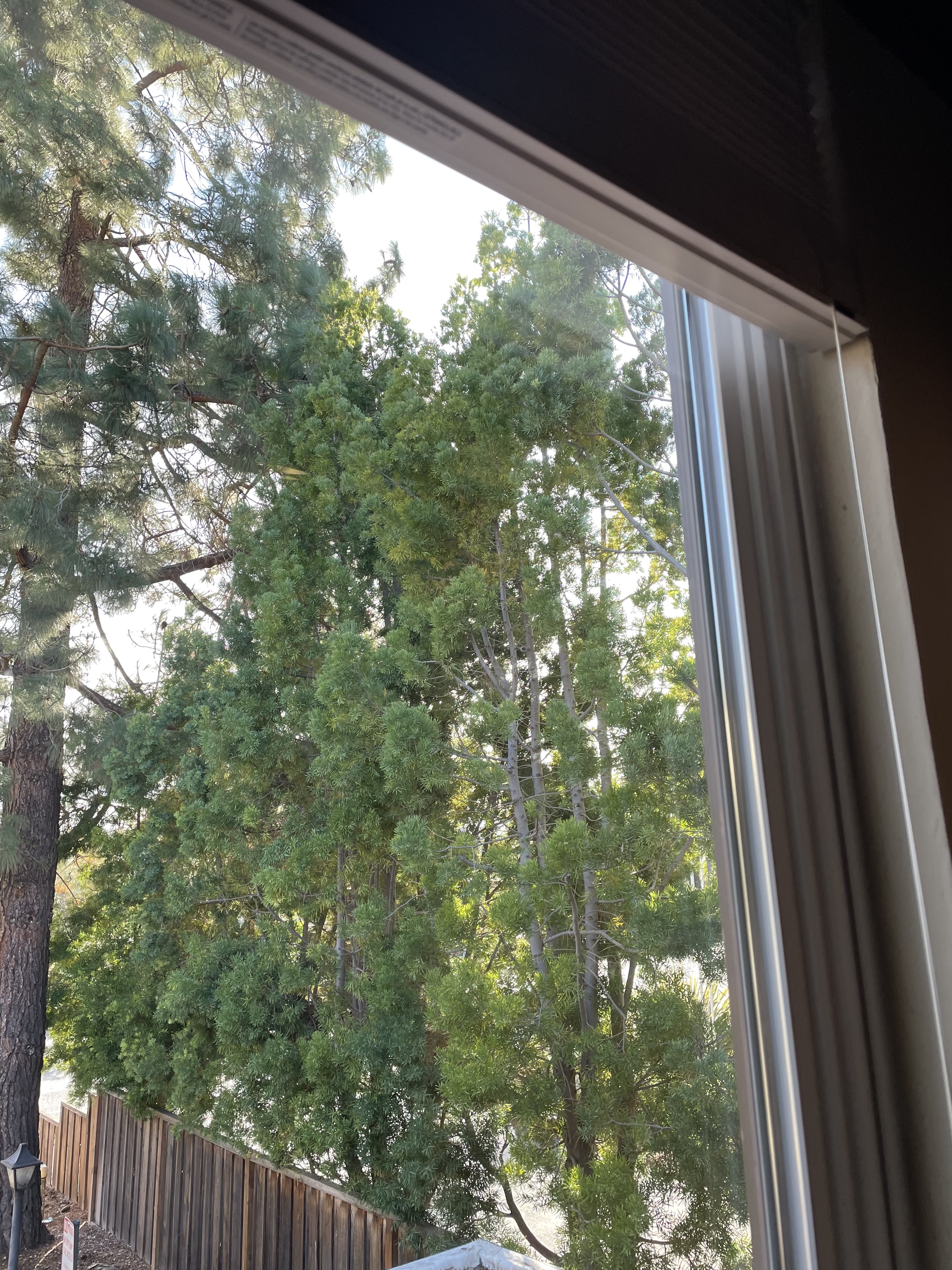
May 2025, the heart of spring. While my favorite season is fall because I greatly prefer the weather compared to that of any other season, spring normally signals hope and energy after the winter recedes and the plants reawaken. This year, nature is doing its thing. The trees are green. The flowers are blooming. The bugs are starting to amass. Little squirrels and birds are running all over the place. But this spring still doesn’t feel like spring. Yes, the outside appears much the way it always does this time of year. Alas, the inside is different. There are always things to be concerned about, but this year it’s hard to know where to start because so many things are at risk that don’t have to be. There are many things to consider, and not all of them are related directly to the crises we face.
I recently posted an article across my various social media accounts about habits that will make us happier. It was a compilation of recommendations from a psychologist who heads the Department of Psychiatry at a major medical center in the U.S., and it was truly about self-care, something that becomes even more important during trying times. A friend commented on my post on one of the platforms I use that he didn’t think it was appropriate to feel happy when we’re losing our democracy, which got me thinking.
Like my friend, I look at what’s happening in the country and the world with anger and trepidation. Things that we all used to take somewhat for granted that used to just work are in jeopardy. Watching the wild swings in the stock market and the economy as a whole is terrifying. Watching as reports roll in of people being denied their basic rights such as due process is equally infuriating. Watching as our systems for healthcare, food safety, disaster relief, Social Security, and many more are under attack from within is terrifying. Most alarming of all are attacks on the vulnerable because if any group is persecuted, that means that nobody is safe.
I understand the gravity of what’s going on and am trying to do my small part by writing, posting fact-based articles about what’s going on and what we can do, talking with friends and family, and so forth. Still, mental health isn’t something that we can take for granted. It is something that we have to pay attention to especially when we’re under stress. The article is completely apolitical. It’s a health-related article with well-studied, proactive actions we can take to improve how we feel overall, but I can’t shake my friend’s comment equating being happy with what’s going on. If I take his sentiment to its logical conclusion, that would mean we would need to be miserable all the time until we change the trajectory of where we are going which is neither healthy nor practical.
Trying to be happier even in the face of challenges doesn’t negate those challenges. In fact it makes us more able to be engaged and do something positive. Taking some time out for ourselves to take a walk or to meditate for a few minutes to clear our heads doesn’t stop us from still pursuing other activities. Alternatively, running around in a constant state of panic eventually paralyzes us.
So what are the actions suggested in the article? There are 12, although one doesn’t have to do every single one every day.
- Do 5 daily acts of kindness.
- Focus on gratitude.
- Experience nature every day.
- Reframe negative events to find a silver lining.
- Capitalize on positive events for others.
- Affirm your most important values often.
- Let go of anger through compassion.
- Cultivate a sense of awe.
- Imagine your best possible self in your relationships.
- Take a self-compassion break.
- Do a digital detox.
- See the humor in life.
Many of these seem almost impossible if looked at through the lens of misery, fear, and anger. And while the ideal would be to do them all every day, even doing one or two helps. And the amazing thing is that they can even come into play while being engaged in working to restore our democracy.
Consider item 4, reframing negative events to find a silver lining. In the horror that we face, more people are now engaged than have been since the mid-1980s. People are again learning how our government is supposed to work. The majority of adults in the U.S. could not pass the citizenship test which covers American history and civics in broad strokes. The test consists of 10 out of 100 possible questions. This knowledge deficit in our electorate is due to many decades of assaulting education, yet due to the urgency of the current crises, it’s starting to reverse a little.
I think back to my school days before this assault on education began when we studied current events, our nation’s history, and civics learning how our government was designed to work. I’ve read the Declaration of Independence. I’ve read the Constitution and in fact keep a pocket copy of it on my computer table for ready reference. I’ve referenced it a lot of late and am appalled at how our current administration just ignores the parts of the Constitution it finds inconvenient. That came to a head when the president recently appeared on a popular Sunday political show for a periodic interview. In answer to a question of whether he had to uphold the Constitution, he said that he didn’t know. He didn’t know? The oath he swore just a few months ago stated very plainly that defending the Constitution is his primary duty! The oath every president of the U.S. swears (or affirms) is:
“I do solemnly swear (or affirm) that I will faithfully execute the Office of President of the United States, and will to the best of my ability, preserve, protect and defend the Constitution of the United States.”
That is the last clause in Article II, Section 1 of the Constitution. He said those words on 20 January 2025 for the second time. He also said those words on 20 January 2017, so how could he not know whether he had to uphold the Constitution? It doesn’t say that the president will preserve, protect and defend only the parts of the Constitution he agrees with. It’s the whole thing.
This administration’s actions show that it has complete disdain for the bulk of the Bill of Rights (i.e., the first 10 amendments to the Constitution that define core individual rights and put restrictions on the federal government). The only amendment they partially agree with and rabidly defend is the 2nd, although they dismiss a key component of that one as well, that the right to bear arms is associated with well-regulated militias. Due process though, a key component of the 5th Amendment, is fungible in the current administration’s view. They claim only those they deem worthy are eligible, not everyone as the 5th Amendment makes clear (emphasis, mine):
“No person shall be held to answer for a capital, or otherwise infamous crime, unless on a presentment or indictment of a Grand Jury, except in cases arising in the land or naval forces, or in the Militia, when in actual service in time of War or public danger; nor shall any person be subject for the same offence to be twice put in jeopardy of life or limb; nor shall be compelled in any criminal case to be a witness against himself, nor be deprived of life, liberty, or property, without due process of law; nor shall private property be taken for public use, without just compensation.”
The Constitution doesn’t say that only citizens get due process. It says that ANY PERSON has this right.
So the silver lining is that people are again engaged and are getting a crash course in civics, though not necessarily in the way that the administration would prefer. And tens of millions are pushing back. Hopefully that turns into hundreds of millions over time, but it’s encouraging that the pushback is happening in every state every day now. That’s a pretty big silver lining.
Item 3, experiencing nature, can be as simple as walking around your neighborhood and enjoying the trees, the bushes, the birds, the squirrels, etc. For many of us, it’s right outside our windows, so easily accessible.
Item 11, doing a digital detox might be a tough sell right now, but one can be more deliberate in how they use their digital platforms.
Item 2 is an important one. Even in the face of the chaos and uncertainty we face, we need to look for the things we are grateful for. There’s a lot I am grateful for, and I take a little time to focus on that every single day. I love my friends and family and know that they love me. Most importantly, I know that we can get through this together.
References:
https://www.realsimple.com/daily-habits-that-will-make-you-happier-11724605
U.S. Citizenship Flash Cards

 A Good Reed Review
Excellent article Ande. After my cancer diagnosis, I started keeping a gratitude journal and meditating. I’ve fallen someone lax in the last couple months however in keeping up with both. I will now get back to it. Thanks for the reminder.
LikeLike
Thank you, and you’re welcome. It’s important not to let ourselves fall into endless despair. Yes, there are challenges (big ones), but happiness is in large part a state of mind, and keeping our minds healthy allows us to be more effective in all we do including maintaining our health and saving our democracy.
LikeLike