Nostalgic thoughts and religion

By Ande Jacobson

I was looking through my old high school yearbooks recently, and it got me thinking about some friends and classmates from long ago. There were four of us who went to school together for 16 years, from first grade straight through undergrad, but two of us had additional connections back then. We also went to Sunday school and temple youth choir together. Andrew and I were friends most of the time growing up, although we also had some disagreements that got blown a bit out of proportion. His mom was a lawyer and a notary, so when we’d have a fight when we were kids, he’d draw up a contract that he wouldn’t speak to me ever again and had his mom notarize it. Of course it generally only lasted a day or so before becoming null and void. I guess that practice served him well because he ultimately became a lawyer like so many others in his family. Continue reading →

Every vote matters

By Ande Jacobson

2026 is a particularly ugly election year. While negative campaigning has become far too common in US elections, it has reached a fever pitch with disinformation far outweighing factual data in the flood of noise blanketing the internet where most people get their news and information these days. That makes it ever more challenging to honestly evaluate our ballots for each election. Fortunately, at least in California, there are a number of fact-based sites where voters can research the propositions and the candidates honestly. Continue reading →

Dangerous manipulation

By Ande Jacobson

The thing that strikes me about our current moment is the extreme amount of manipulation that is becoming normalized. Teri Kanefield discussed this at length in her book, A Firehose of Falsehood, which I wrote about here and here. Watching the amount of disinformation intended to manipulate the voting public in the upcoming election though has reached heights I’ve never imagined. It got me thinking about something that happened about 30 years ago when I was the lead of a team of technical advisors for an important government system we were supporting. Continue reading →

The dangers of indoctrination

By Ande Jacobson

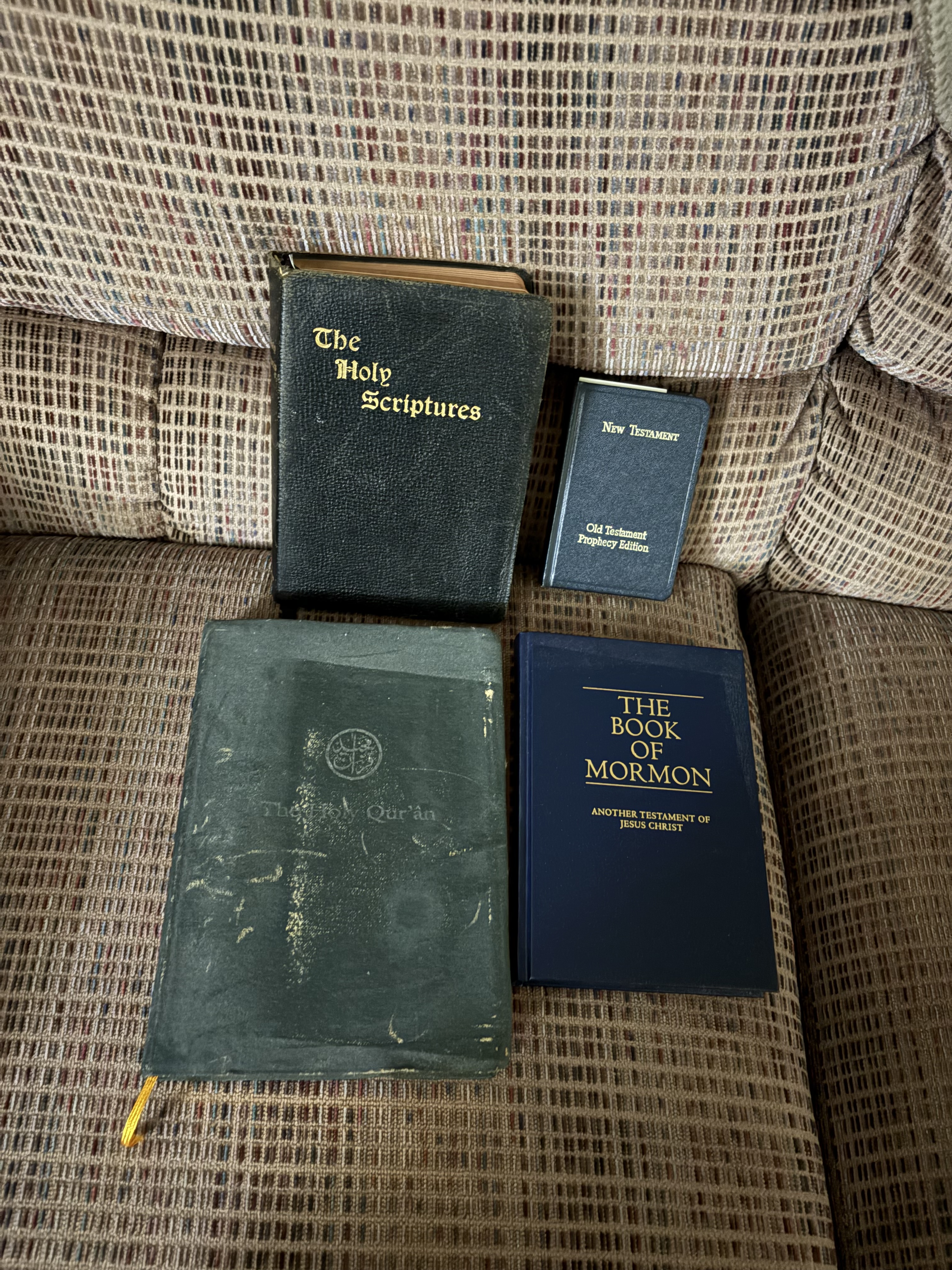
I’ve long been wary of indoctrination. The Concise Oxford English dictionary defines the verb indoctrinate as:

“Cause to accept a set of beliefs uncritically through repeated instruction.”

Indoctrination is the practice of indoctrinating, and the most common form of indoctrination is how religion is often presented to young children by their parents and clergy with whom they are acquainted. They are generally taught from early on that these religious beliefs are not to be questioned. They are to be accepted without evidence as facts. Continue reading →

Spies never really leave

By Ande Jacobson

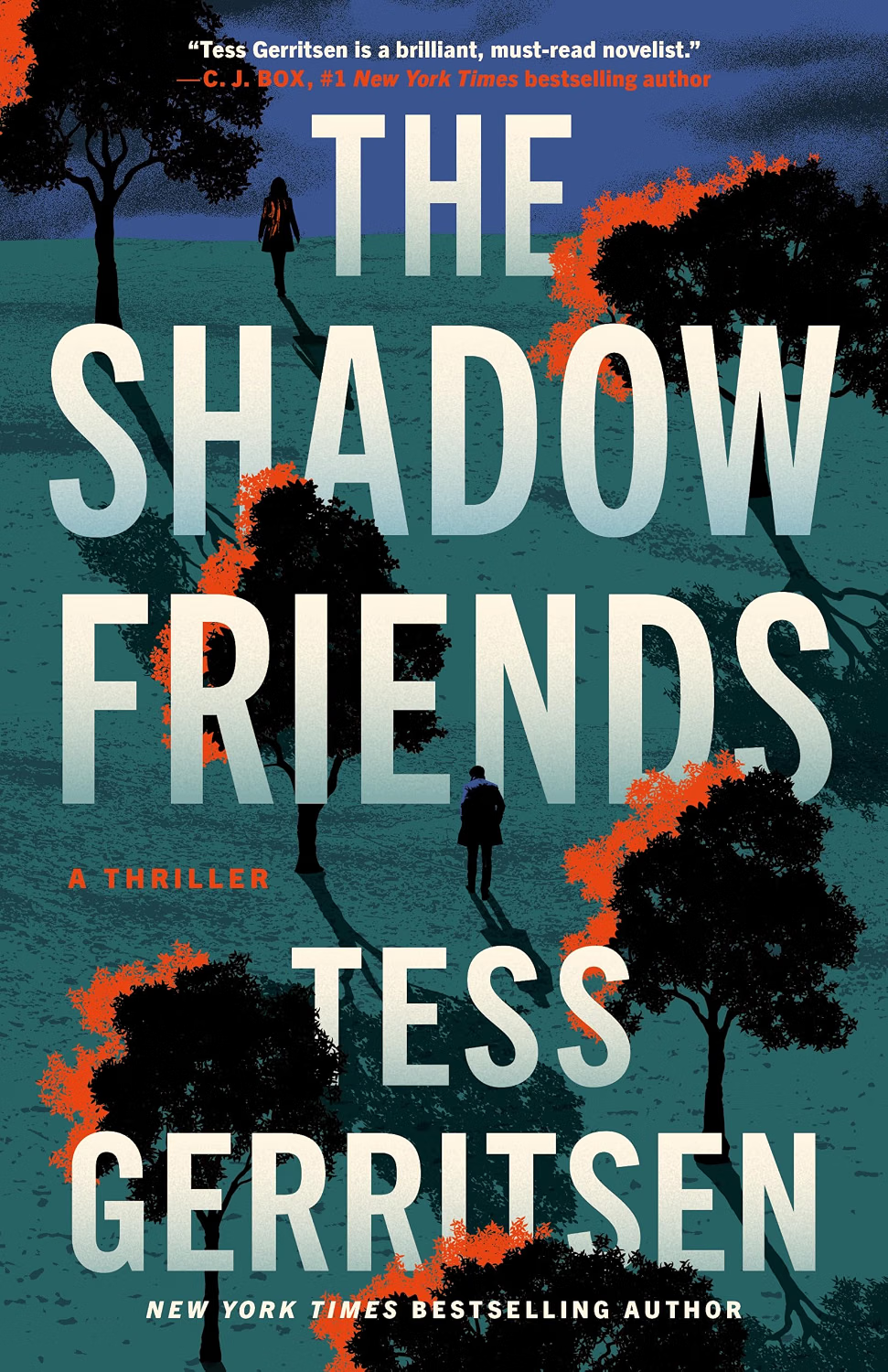
Tess Gerritsen’s Martini Club series continues with the third book, The Shadow Friends. The main story takes place in Purity, Maine, a quaint little rural town with some big secrets. Maggie Bird, Declan Rose, Ben Diamond, and Ingrid and Lloyd Slocum form The Martini Club, a tight knit group of former CIA folks enjoying their retirement but their past lives keep cropping up in unexpected and dangerous ways. Maggie, Declan, Ben, and Ingrid were operatives, while Lloyd was an analyst, and their skills still come in handy more often than one might think they should now that they are retired and living out what was supposed to be a comfortable, quiet life with friends and family. Continue reading →

Falling in with the wrong crowd can be deadly

By Ande Jacobson

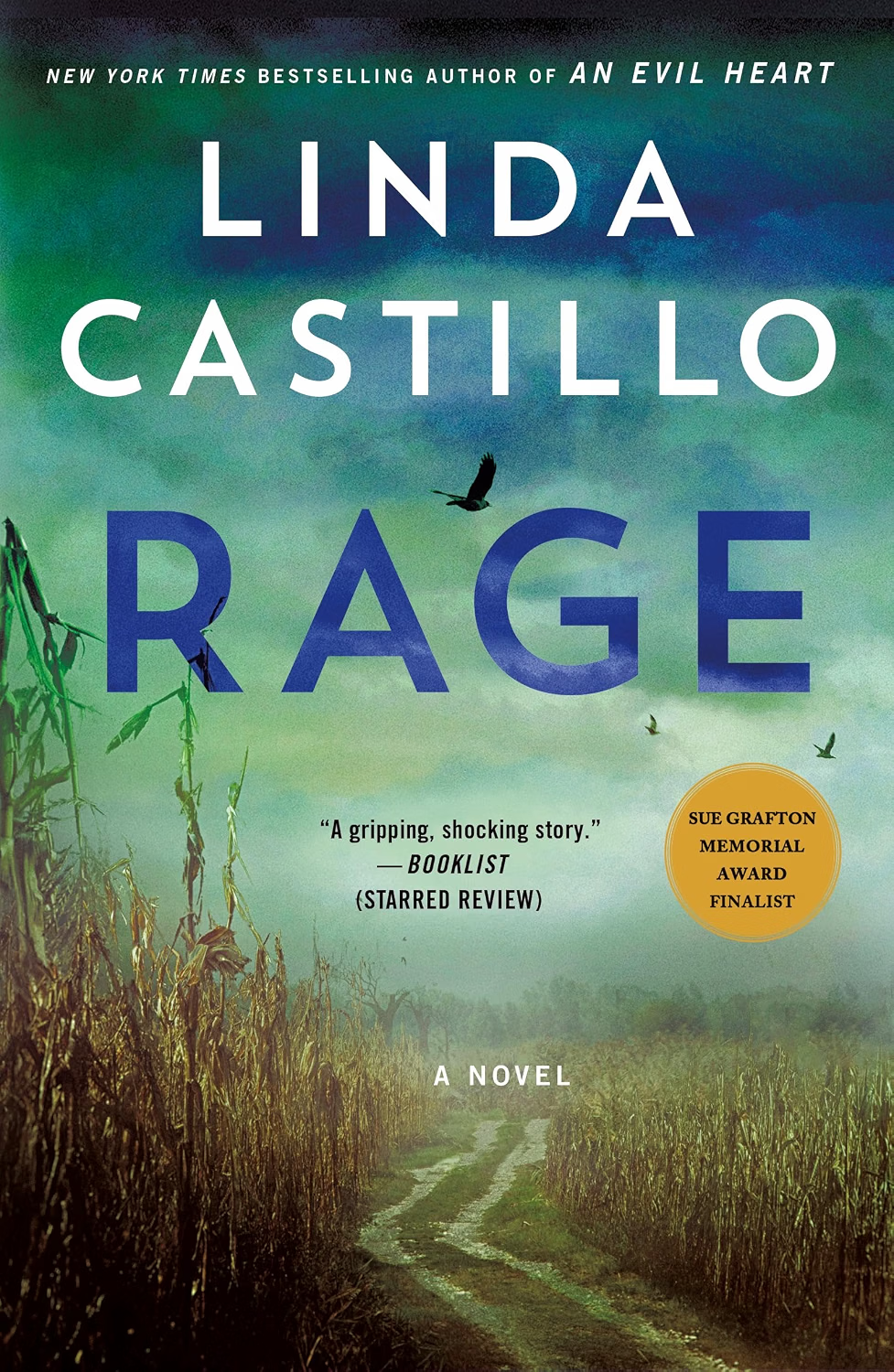
The seventeenth (and final to date) Kate Burkholder mystery by Linda Castillo is Rage. Castillo takes readers on a very dark journey this time showing them just how dangerous falling in with the wrong crowd can be. Throughout the series, she’s given readers some insight into the Amish way of life including some of the things that young people get into during their rumspringa (or “running around” period). That’s the time when teens are allowed to disregard the strict rules governing the Amish way of life and experience the outside world for a time before they choose whether to commit the rest of the lives to the plain life or leave the community for the outside world. It happens before they are baptized, and it can last for a few years in their mid-to-late teens. The normal extravagances are things like shedding the traditional clothing, partaking of drink and perhaps tobacco, and using language that is frowned upon in Amish culture. Some of the more rambunctious kids take even greater liberties not only ignoring the Amish rules, but also skirting some of the laws governing the outside (or English) world. When things go even further afield, some of these kids can fall in with dangerous crowds or more sophisticated criminals looking to take advantage of their naiveté. When this happens, the results can be life threatening. This is one such story involving multiple innocents who stray way too far from the lives they knew with tragic consequences. Continue reading →

25 years later I am tired

By Ande Jacobson

Like so many of us, I remember exactly where I was 25 years ago today when the twin towers were attacked on 9/11/2001. I was at work during a week I spent in the greater Washington, D.C. metro area. Although we were mostly cutoff from the outside world while at work, we were just outside the beltway, and within less than 10 minutes after the first plane hit everyone at our location knew that it happened. When I was able to contact my manager back in my home location later that morning, he told me that my colleague and I were not authorized to drive across the country to return home. We were to stay at our location until we could fly home. We were scheduled to fly back on Friday that week, but our journey got complicated, and our stay was slightly extended. We were lucky. We were safe, and although we weren’t able to return home until Sunday, we had a comfortable place to stay, food to eat, and work to do. The story of our attempts to get home is a bit jumbled, but in the grand scheme of things it is unimportant now compared to the trauma others suffered that week and in the weeks and months that followed. Continue reading →

Surprising Amish history comes to light

By Ande Jacobson

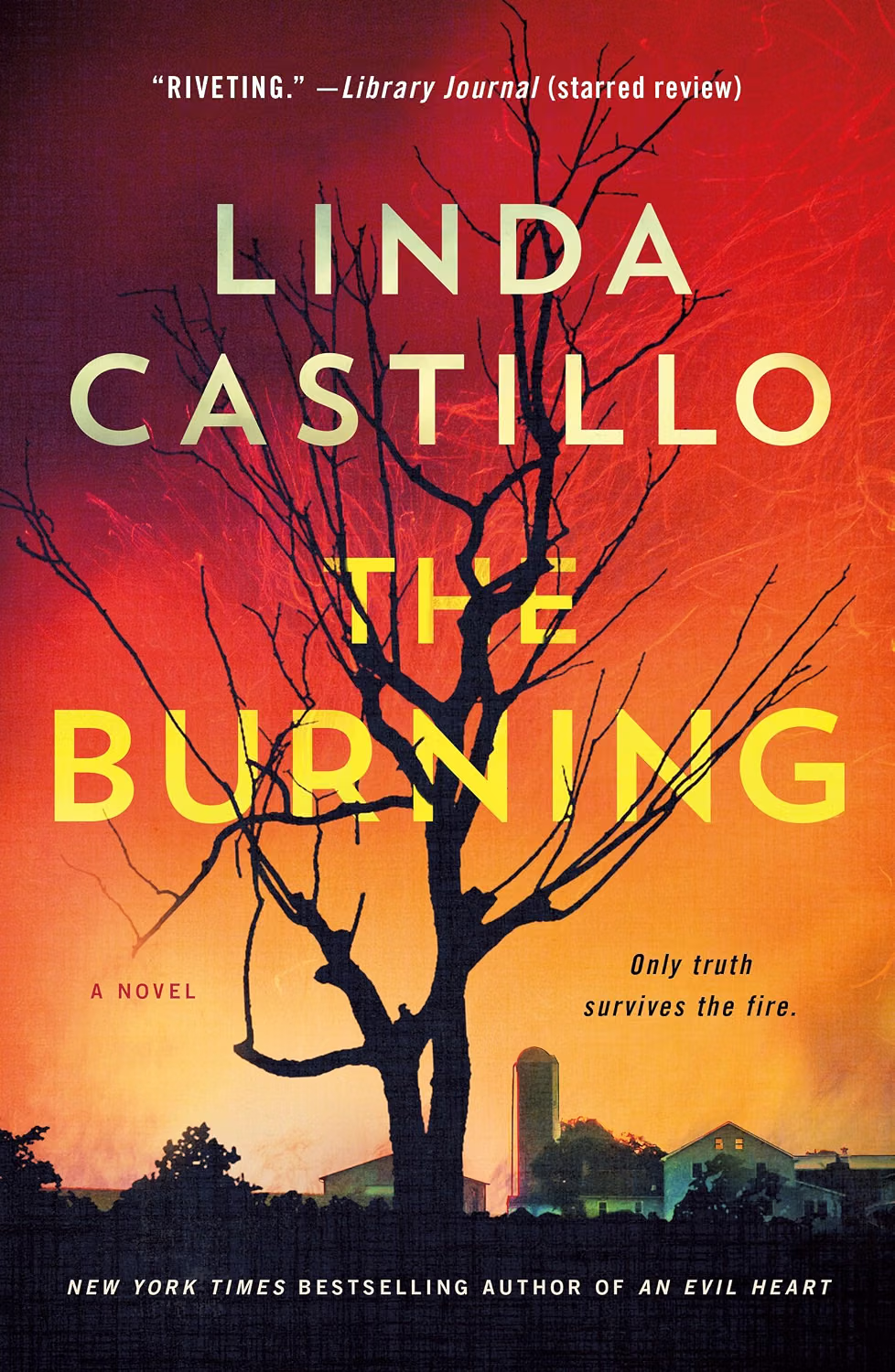
The sixteenth Kate Burkholder mystery by Linda Castillo is The Burning. This time, Castillo educates the reader on some disturbing Anabaptist history from the Reformation period. While the Anabaptists as a whole are pacifists, during the Reformation when the Anabaptists were persecuted by the mainstream Christians of the day, a sect arose that embraced violence when necessary in defense of the community. This sect was known as the Schwertlers, or loosely translated “of the sword.” Although its members knew that violence was a sin, they saw the need for it when the community was threatened, and as a group would use a particularly nasty ritual to eliminate threats while ensuring those so sacrificed a place in heaven as martyrs. While it’s thought that this group ceased to exist, an unusual and disturbing case sends Kate down an investigative path that includes digging into the details of this outcast group’s practices. Continue reading →

What you see is not always what you get

By Ande Jacobson

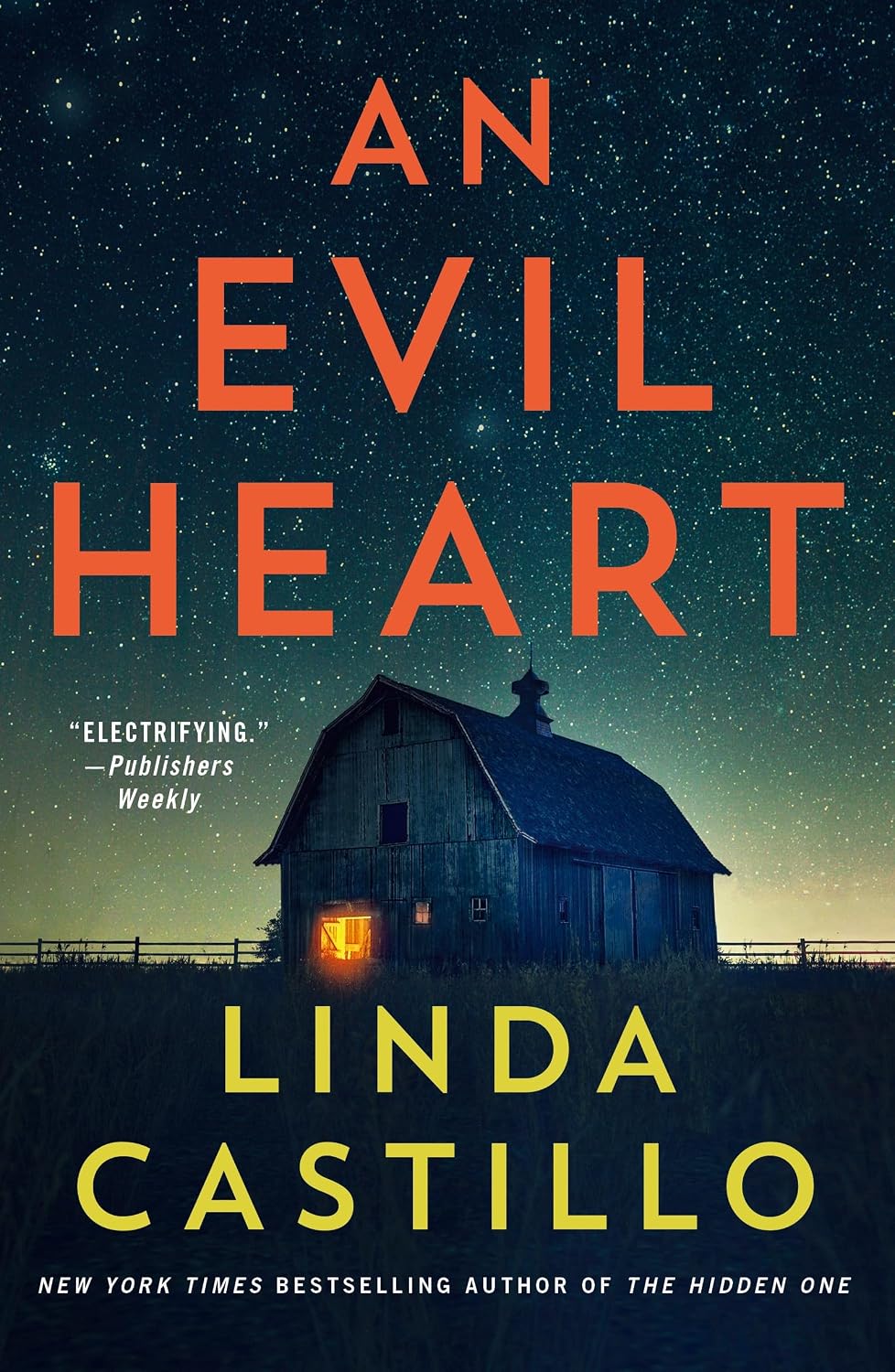
Linda Castillo’s fifteenth Kate Burkholder mystery is An Evil Heart, and it starts with a horrific murder. An Amish man is murdered on his way to work when his assailant lies in wait along the side of the road where Aden Karn commutes on his bicycle each morning. Aden sees the man and stops. What follows is a horrific and graphic murder at the heart of the story. The obvious question beyond who did it is why would anyone do such a thing? Continue reading →

AI, ghostwriters, editors, and authorship

By Ande Jacobson

I’ve been thinking a lot lately about the use of AI, ghostwriters, and editors, and what authorship really means. Having written a book myself, I know the kind of effort that goes into such an endeavor, even when you know the material extremely well. Getting the wording right, making sure that your ideas come across the way you intend, and even the aesthetics of the prose are all of concern. Writing an essay requires a similar amount of polish as well, although it’s significantly shorter and quicker to write compared to a book. One could even apply the same considerations to something as mundane as an email or a personal letter. All that said, what exactly is authorship? Are you technically an author if you use a ghostwriter to write your manuscript for you, or are you committing a type of fraud by taking credit for something that you didn’t actually do? Is the manuscript still your work if an editor changes it, or is that a matter of degree? Continue reading →