Religion can be dangerous

By Ande Jacobson

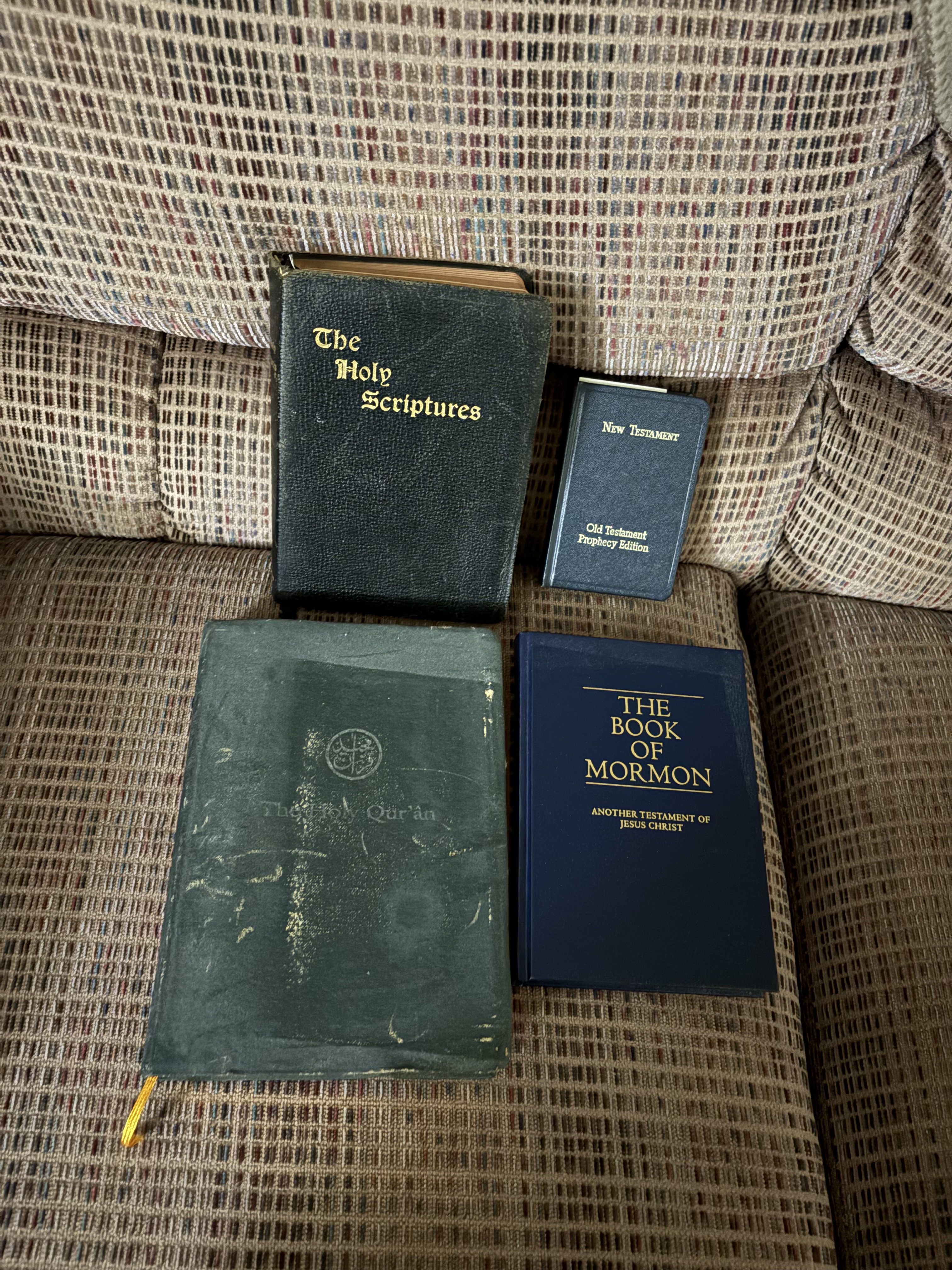
I don’t have any faith in any supernatural being(s) based on everything I’ve learned throughout my life, although based on observation, I came to that conclusion in childhood. I have studied science and rely on the scientific method in my exploration of the world around me. I have also studied religion growing up, not just the faith in which I was raised, but others as well. I have copies of numerous religious texts including an Old Testament (from which the Torah is drawn), a New Testament, a Qur’ân, a Book of Mormon, a Haggadah, and a Union Prayer book. I view them as literature written by men reflective of the times in which they were written. I do not view them as supernatural or divinely inspired. They are books, and as such, they are food for thought as are all books. Continue reading
The God Delusion – Why limit our perception?

By Ande Jacobson

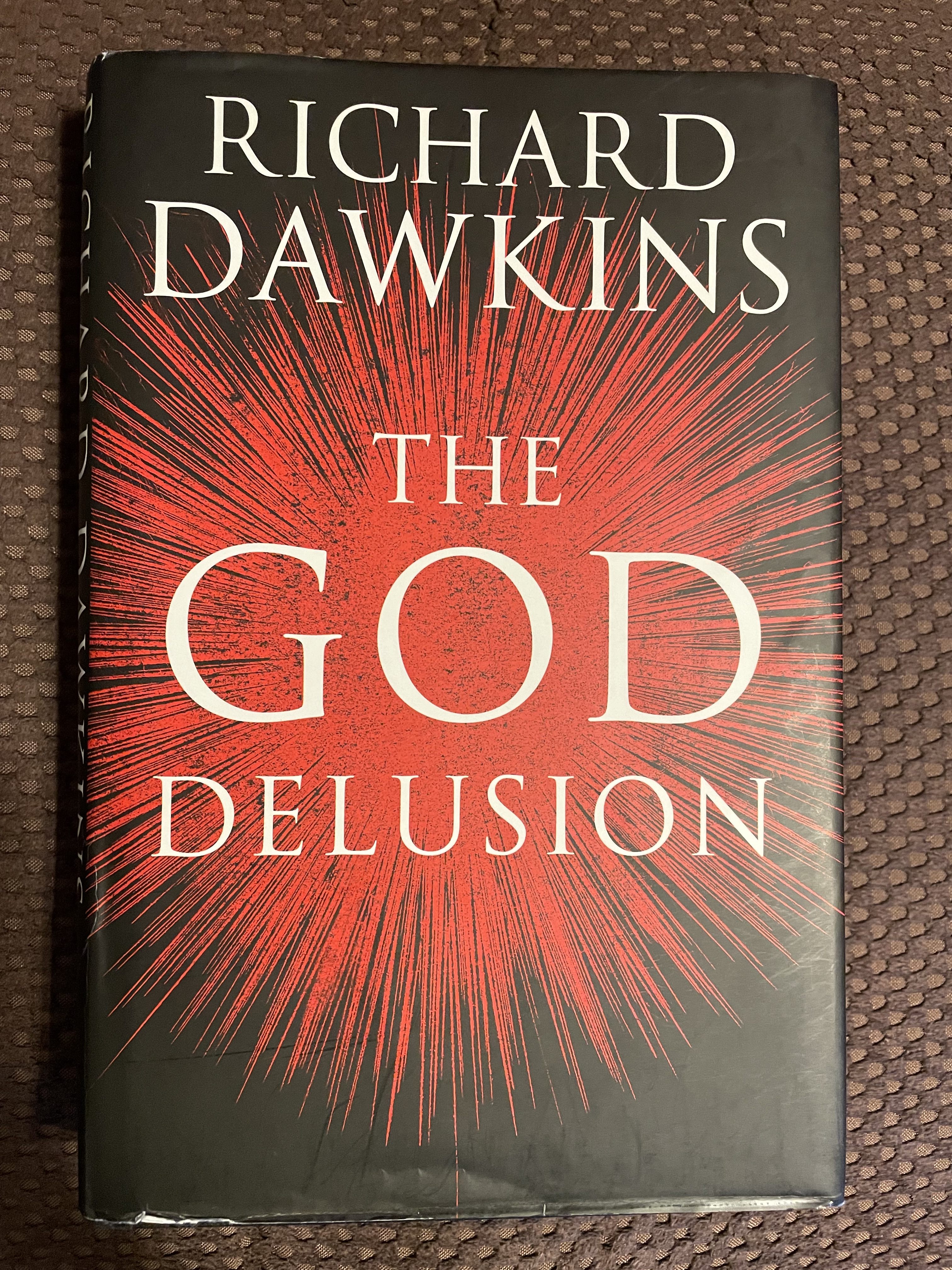
In 2006, Richard Dawkins wrote a book that has garnered high praise from some and unabashed fury from others. The book has the provocative title, The God Delusion. Dawkins uses his background as a scientist specializing in evolutionary biology to examine a simple conceit to explain why so many people refuse to even consider leaving religion behind despite compelling evidence to refute its validity: “I didn’t know I could.” In his Preface he explains that his intention in writing this particular book is to raise consciousness to a few ideas such as why atheism has merit and can facilitate a productive and fulfilling life without guilt or apology; how concepts like natural selection, though often misunderstood, provide more probable alternatives to religious dogma; and how religion corrupts childhood and encourages exclusion. He acknowledges the importance of various scriptures such as the Bible, not as divine instruction, but as works of literature or historical fiction. As such, he explains how they provide cautionary tales and cultural references while inspiring countless modern works of literature, and he laments the ever decreasing familiarity with such sources even amongst those who claim to be religious. Mostly he intends his book to inspire people to think and examine the world around them anew, open to the beauty that comes with greater understanding through science. Continue reading