Quiet can be deceptive

By Ande Jacobson

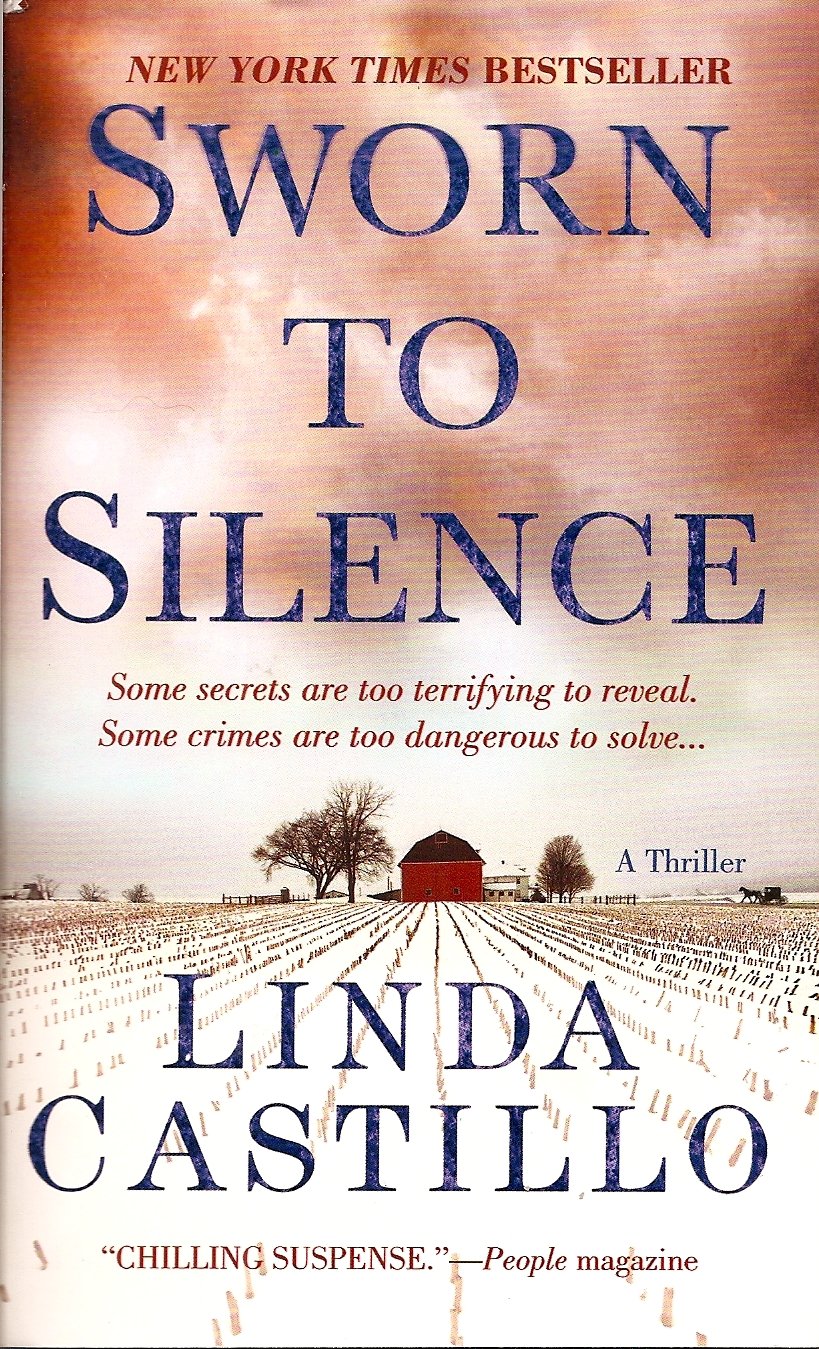
Sworn to Silence is the first book in Linda Castillo’s Kate Burkholder series and was first released in 2009. Kate is the chief of police in the quaint, fictional Ohio town of Painters Mill, a small, rural community. About a third of the town’s residents are Amish, and the rest are what the Amish refer to as English, or non-Amish. They had coexisted for centuries until a series of brutal murders occurred. Since that time, the Amish and the police suffer from mutual suspicion. The killer wasn’t caught, but eventually life went on, until, sixteen years later at the time of the current story the killings begin anew with the same signature. A lot changed in that time. For one thing, Kate lived through the first killing spree and has since harbored a secret. Although most Amish children commit to their church and community when they reach 18, Kate took a different path. Continue reading
Surviving and thriving despite family challenges

By Ande Jacobson

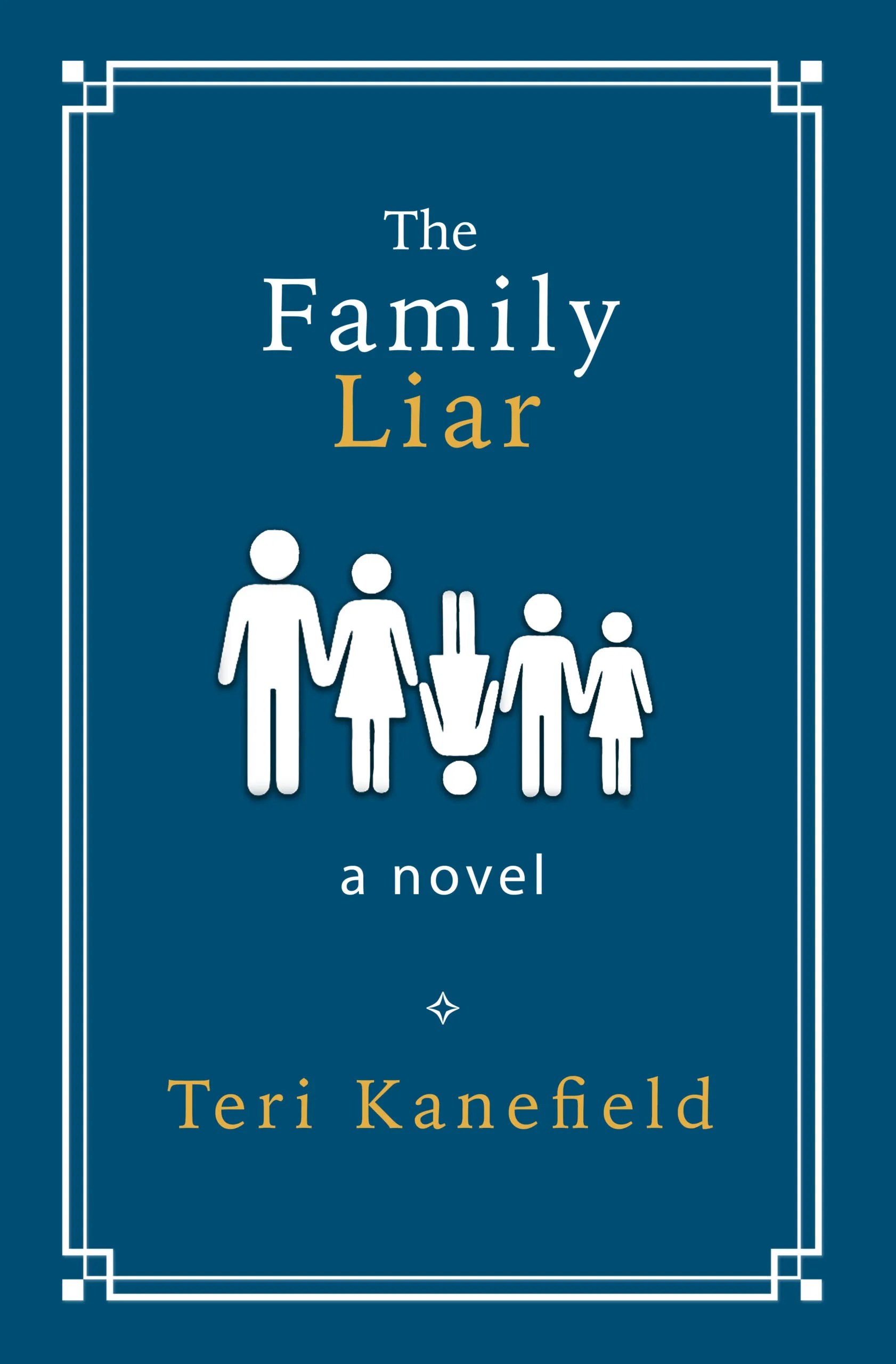
Teri Kanefield has had multiple careers from teaching, to practicing law as an appellate attorney, to entertaining and informing through her writing. There is some overlap in all of it as she’s pursued her writing from many perspectives. She’s written numerous books across a wide spectrum from detailed biographies of various icons from American history, to entertaining and informative novels, to children’s books. And of course there were her appellate briefs that also told serious, factual stories and in doing so had to capture the attention of and persuade her intended audience – the judges and justices sitting in judgement. More recently, she’s also taken her writing to the internet through her blog and social media as she entertains and informs her audience.

When Kanefield releases a new work, it’s always worth reading, and she’s releasing a new novel entitled The Family Liar at the end of March 2026. The story is riveting and tough to put down. It’s a coming of age story that takes readers on quite a journey. Despite the challenges that Natalie faces at home and in life overall she perseveres and ultimately thrives. Her humble and tortured beginnings are more than a little disturbing. Her family is dysfunctional. It’s led by her mother, Lenora, who is clearly a disturbed individual. Lenora also has difficult beginnings which undoubtedly inform her later dysfunction. Kanefield begins with Lenora’s background in her Prelude chapter. She then picks up the main story which follows Natalie’s life from her troubled childhood through her eventual emergence as a well-rounded, highly educated force for good in the world. Continue reading

Musical ensembles are like family

By Ande Jacobson

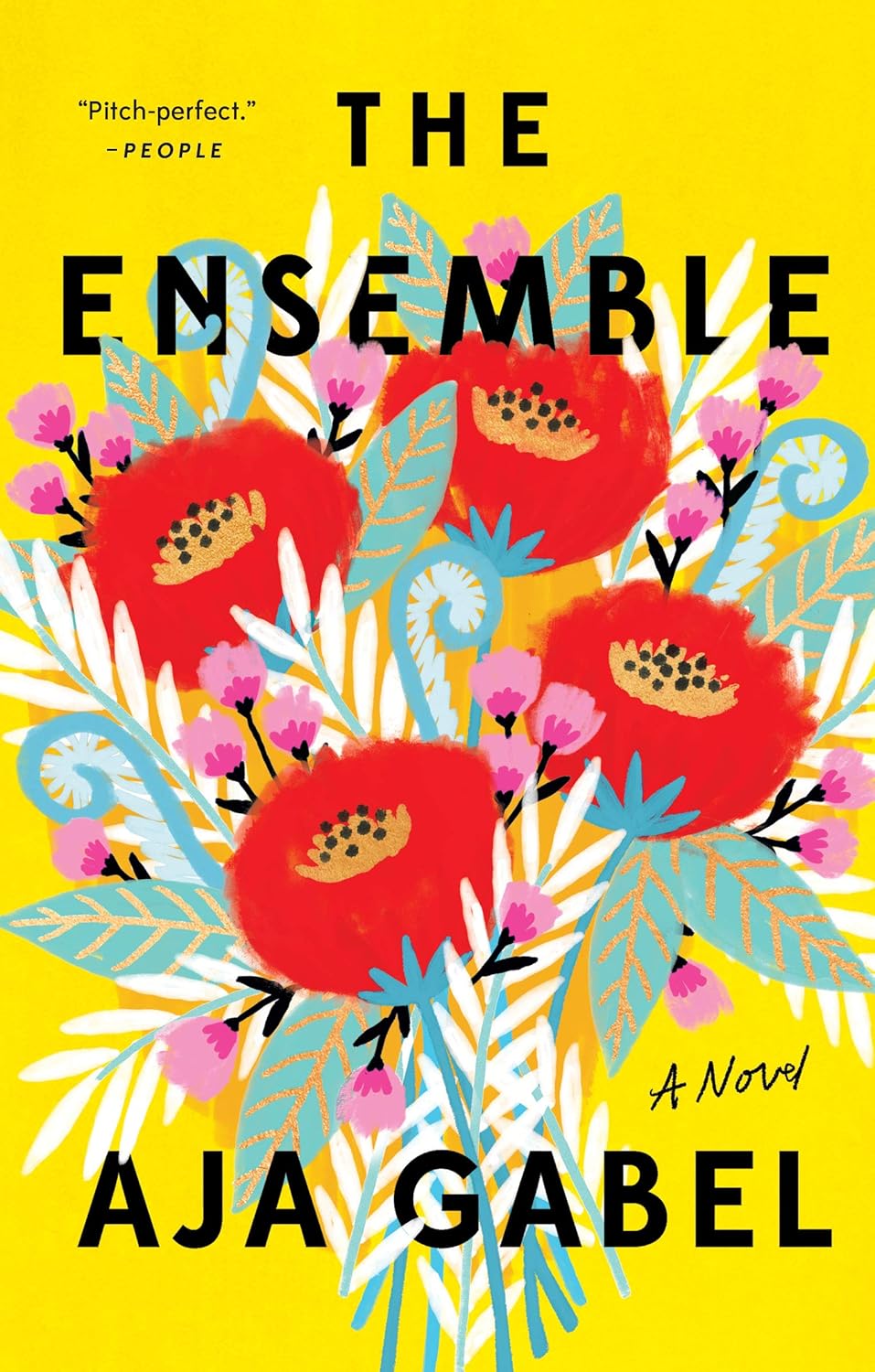
Aja Gabel’s debut novel, The Ensemble, is a masterwork combining her early training as a musician with her prowess as a writer. She follows Jana, Brit, Henry, and Daniel from their first meeting as graduate students at the San Francisco Conservatory through the twists and turns of their lives as musicians playing together in a tight string quartet. Of course the closeness the ensemble requires tightly intertwines their personal and professional lives. Gabel injects her thorough knowledge of music and the idiosyncrasies of the instruments involved given her experience as a violinist and cellist into the story. She alternates voices between the members of the quartet by chapter focusing on each individual’s point of view. Continue reading

A complicated gift

By Ande Jacobson

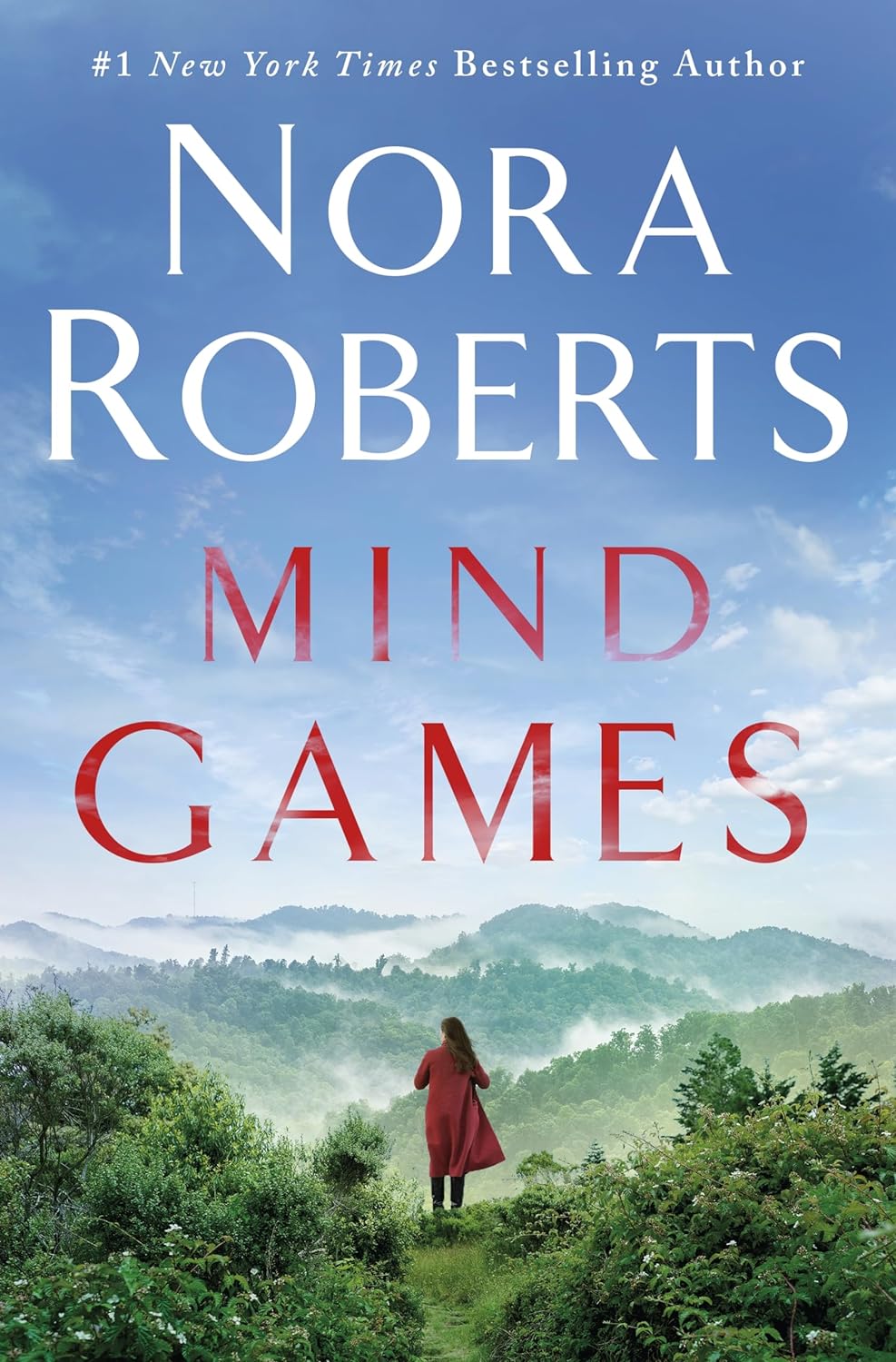
Imagine that you could read another person’s thoughts seeing what they see or have seen. In Nora Roberts’ 2024 book, Mind Games, Thea Fox has such a gift. It’s a gift that runs in her maternal line. While her mother also had the gift, it scared her, so she chose not to use it. Thea’s grandmother, on the other hand, recognized that the gift wasn’t something she asked for, but it was something that she had, and as such she wasn’t afraid of it. Instead, she treasured it, but didn’t abuse it. She knew its power, and chose to use it to help others. Continue reading

What became of Soap Lake?

By Ande Jacobson

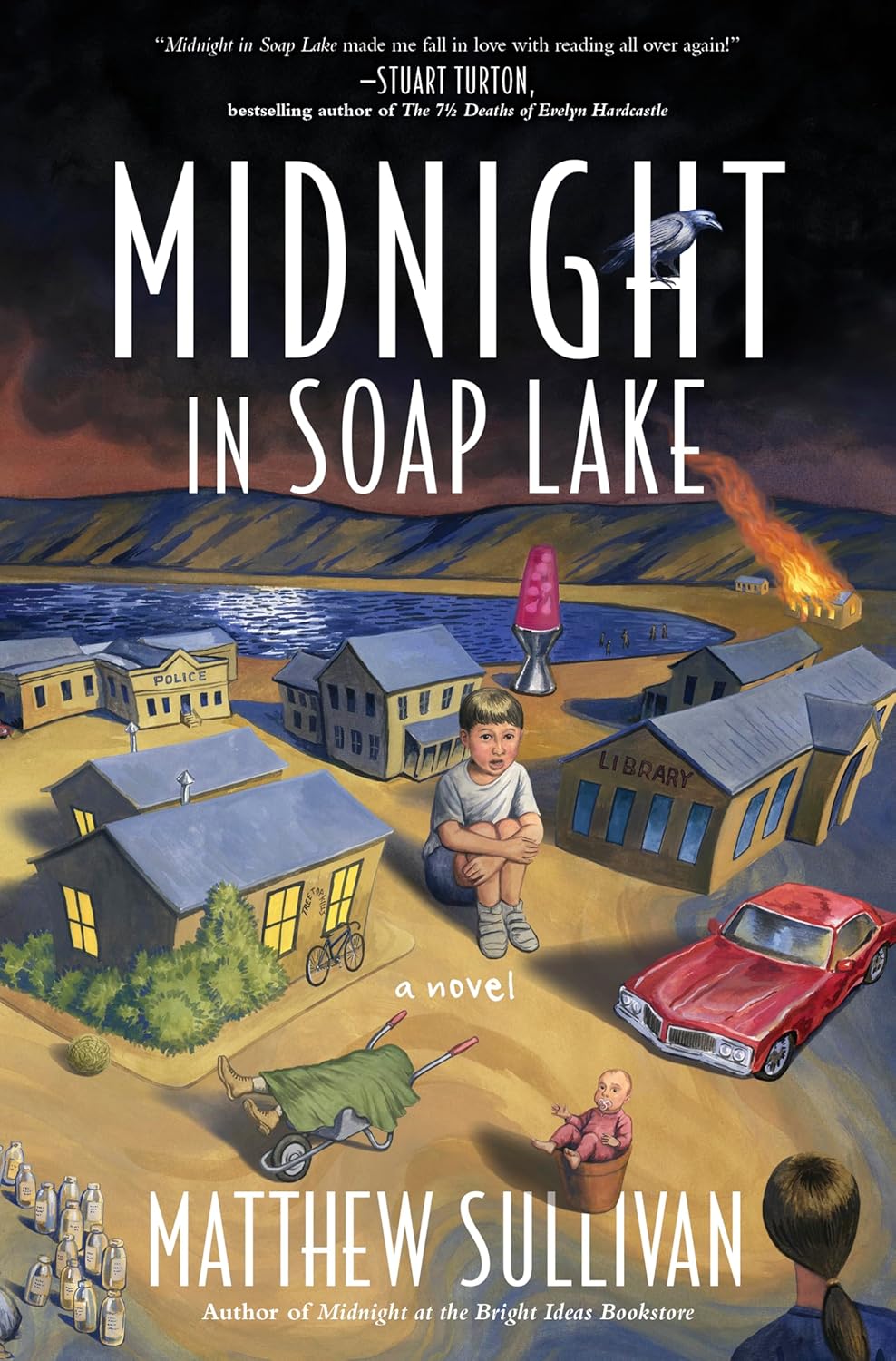
Matthew Sullivan’s second book, Midnight in Soap Lake, was released in early 2025 and is another windy mystery. Like his first book, this is a standalone story even though its title is similar to Midnight at the Bright Ideas Bookstore. This story takes place in a real Washington town, Soap Lake, where Sullivan and his family lived for a time. There are a few aspects of the story that are real. The town of Soap Lake is named for its lake of the same name, and it’s a special kind of lake. Soap Lake is meromictic, i.e., the water is effectively stratified so that the water at the bottom stays at the bottom, and the water higher up stays higher up in various layers. This allows for different ecosystems and the appearance of extremophiles, special microbes specifically adapted to the unique conditions of the portion of the lake they inhabit and not seen anywhere else. As in the story Sullivan weaves, various limnologists have studied the lake over the years, and it even served as a sort of healing spa for a time. A giant lava lamp also figures in both reality and fiction, and in neither telling does it come to fruition. Finally like in the story, Soap Lake is a rather isolated small town in the middle of the desert northwest in eastern Washington state. After that, reality and story part ways. Continue reading

Save the BookFrogs

By Ande Jacobson

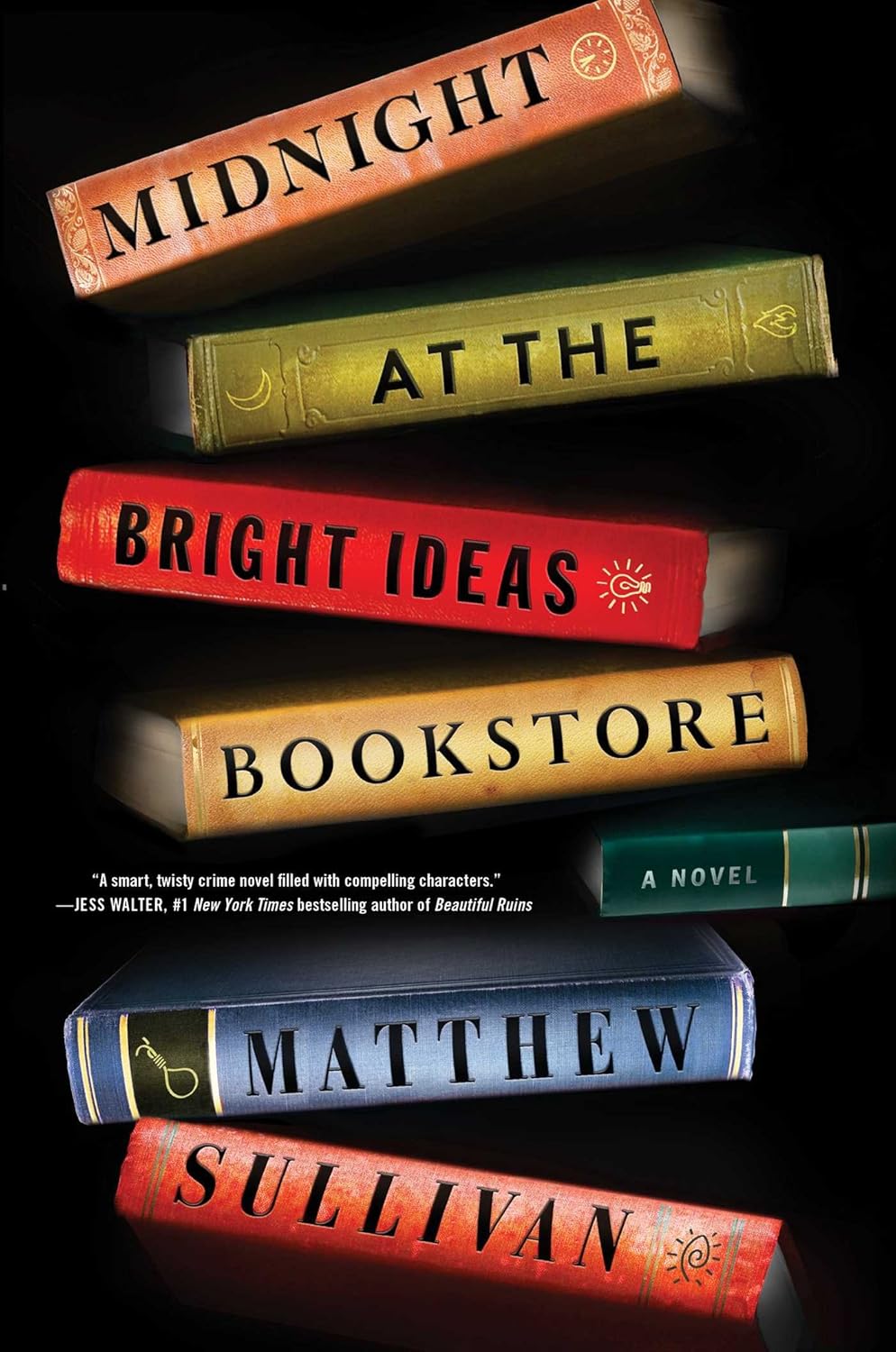
Matthew Sullivan, previously known for his short stories, burst onto the book scene in June 2017 with his debut novel, Midnight at the Bright Ideas Bookstore. With shades of O. Henry in its twists and turns and a surprise ending, Sullivan gives readers puzzles within puzzles to solve as he leads them through parallel mysteries from the present and a harrowing past. Lydia is a bookseller who is more comfortable with the books she sells than with people, and yet she’s a favorite of the BookFrogs, the dejected loners from multiple walks of life who find solace in the Bright Ideas Bookstore. One young BookFrog, Joey Molina, a troubled fellow with a past and a secret takes a shine to Lydia. She’s his favorite bookseller, and she’s kind to him. One night when she finds Joey in the store’s upper room hanging from a self-fashioned noose, her life changes forever. She too has a past seeping with violence that she’d rather forget but can’t, and now she is caught in the present with a mystery she must solve. Why did Joey kill himself? And, after finding out that he’d left her all of his earthly possessions, she discovers a disturbing yet tantalizing puzzle going beyond that single event. Continue reading

The race to understand consciousness

By Ande Jacobson

The latest Dan Brown book, The Secret of Secrets, is a wild ride. This sixth Robert Langdon book was released in September 2025 and is a little longer than typical Dan Brown fare. Like the others in the series, this one too stands on its own. The only connection to the series is that Brown’s protagonist, Robert Langdon, finds himself in yet another mishap not of his own making but with much at stake. Brown starts with a note to readers that all of the science, symbols, artwork, organizations, and documents referenced are real, fantastic as they will seem. The premise of the book is that noetic research is reaching a critical point in proving that human consciousness is nonlocal, i.e., doesn’t emanate from within our own minds but is instead something that exists outside of individuals. In essence, although it takes some time to get to this point in the story, nonlocal consciousness implies that human minds are merely receivers much like radios. The consciousness is out there to be experienced, we just have to learn to tune our filters to let it in. Imagine the power that implies. As such, there’s an international race to both understand and harness that power, not necessarily all for good. Continue reading

Understanding how to deal with extremism and intolerance

By Ande Jacobson

For several years now Teri Kanefield has been trying to help people understand how we got to where we are in the U.S. and the world, and more importantly, what we can do about it. After taking another deep dive in a lengthy blog post written over the course of several months explaining why extremism and intolerance happen, Kanefield decided to take a another look at the material with the intention of further focusing her presentation. Over time, she rewrote the piece and ended up with a crisp book of around 100 pages. The blog post now contains the content of the book, Why Intolerance and Extremism Happen: Understanding Our Deepest Divides.

Kanefield has given the public a great gift by offering the book through multiple outlets for free. She lists those outlets at the top of her post. She also offers readers a downloadable PDF version of the book through her website if they prefer to read it in that format. She’s not trying to profit off of this effort but is instead attempting to help the widest possible audience better understand the country, the divides we face, and what we can all do to improve the situation. Continue reading

What happens when the water runs out?

By Ande Jacobson

“What happens when the water runs out” is a key question asked in The Black Wolf, the twentieth (and currently the latest) mystery novel in Louise Penny’s Gamache series. Penny wrote the book in 2024 and finished writing before the U.S. election that year though the book wasn’t released until October 2025. Surprisingly, the story mirrors the 2025 reality in startling and disturbing ways. It’s almost as though Penny was clairvoyant picking up immediately after the crisis solved in The Grey Wolf. Her cliffhanger stated outright that there was more to the crisis than they thought. What Armand Gamache didn’t know in leading his Sûreté du Québec Homicide division team was that they faced a crisis of international proportions borne of government corruption and environmental changes on a scale they couldn’t imagine. He’d kept that last case close to only himself and his seconds, Jean-Guy Beauvoir and Isabelle Lacoste, the only fully trusted members of his team. This time he continues this, but even with them, he holds back some key components he’s able to put together along the way. The previous book dealt with a plot to poison the Montréal metro area’s water supply. This one asks the question of what happens when the water runs out? Continue reading

Kamala Harris almost did the impossible

By Ande Jacobson

107 Days by Kamala Harris reads like a combination of a thoughtful diary, a comprehensive memoir of the crushingly short campaign, and a message of hope and determination from a woman who has made it her life’s work to serve the public good to the best of her ability. The book is brutally honest, but not in an inflammatory way. This isn’t a Hollywood tell-all, shovel the dirt reveal. Instead it is a look inside not only what makes Kamala Harris tick, but how her decisions, actions, hopes, and dreams affect those around her and beyond. It’s clear that Harris takes her work seriously. She sets an example not to gain notoriety, but because it’s the right thing to do. She owns up to her mistakes, learns from them, and moves forward. That’s the mark of intelligence and understanding. She’s honest about the monumental task that was thrust upon her noting that she didn’t expect anybody to vote for her because she said so. She worked very hard to earn everyone’s votes. She recognizes the reality that only about a third of voters actually voted for her opponent, Donald J. Trump. She also recognizes that of the two thirds who did not vote for him, about a third voted for her. The rest either stayed home or voted for somebody else. In that, she regrets not having reached them with the urgency of the task at hand. The race was extremely close, and Trump only won his plurality (not a mandate) by 1.5% of the popular vote. In a country of 340 million, that’s a minuscule margin of public approval and not anywhere close to a mandate. The Electoral College told a different story, but that has been badly skewed for decades and truly has lost its usefulness. Still, it unfortunately is how U.S. presidential elections are currently determined. Continue reading