The Phoenix Crown by Kate Quinn and Janie Chang is a brilliant work of historical fiction that takes place surrounding the 1906 San Francisco earthquake. The story surrounds four fictional women who come together through happenstance and trauma and become not only fast friends, but heroes during the earthquake and after. Quinn and Chang weave a fascinating tale of intrigue, murder, survival, and quite a bit of history in this one. The Prologue begins with a glimpse many years past the end of the story. Then Chapter 1 quickly rewinds to just under two weeks before the earthquake. There was a lot happening in the city just then, and the authors capture the many events coalescing in those fateful two weeks. They also capture the horror and chaos that surrounded the earthquake and its aftermath as the city burned. For those from California and especially the San Francisco Bay Area, the earthquake portion of the story is terrifying, yet the courage and tenacity shown by the protagonists is uplifting and inspirational. Continue reading
historical fiction
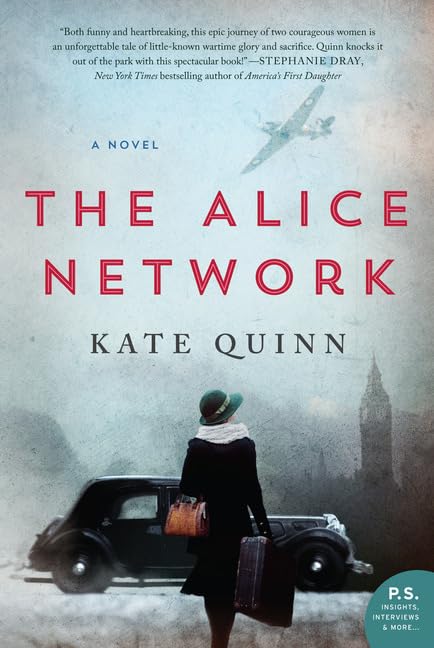
Where do old spies go?
By Ande Jacobson
Kate Quinn’s The Alice Network is a masterful look at the heroic efforts by a female spy ring during WWI and beyond. While a work of historical fiction, she weaves in a lot of history following two timelines. The first is WWI and the efforts by the women of The Alice Network, a real underground network of British spies operating in foreign territory gathering huge amounts of crucial information that ultimately helped win the war. The parallel timeline in the “present” is just after the end of WWII. The story follows Charlotte (Charlie) St. Claire on her quest to find her missing cousin. On her travels, she connects with Evelyn Gardiner, a cranky, eccentric old woman with gnarled hands and a mysterious past, and her driver and protector, Finn Kilgore. The trio make their way through Europe first to help Charlie with her quest, but also to satisfy an old score of Eve’s. Continue reading
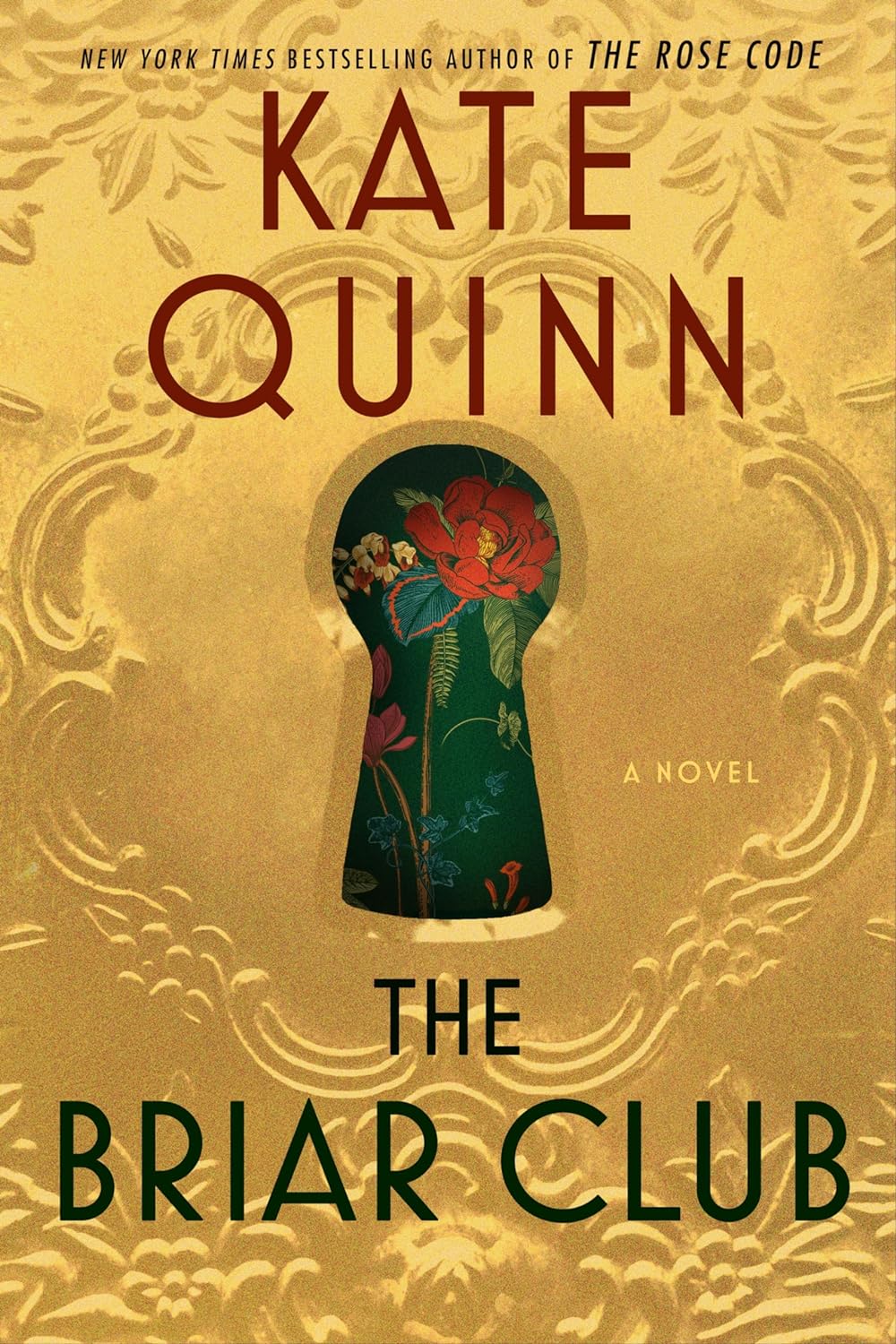
What does Briarwood House know?
Kate Quinn’s latest book, The Briar Club, while historical fiction in the broad strokes, leans into fantasy a bit with an interesting central character – a sentient house! Briarwood House, so named because it’s at the corner of Briar and Wood streets in Washington, D.C., is a boarding house for single women. It’s owned and run by Mrs. Nilsson, a crusty woman with two children, Pete – her teenage son, and Lina – her young daughter. The story of how and when Mrs. Nilsson’s husband left seeps out slowly as the plot develops. Before that though, the prologue jump starts the story with a murder, and most of the rest of the book is a series of flashbacks just a few years before as the various boarders are introduced. Interludes where the house reports on the current situation pop up in between, and once all the pieces are in place, readers are treated to a wonderful resolution of the mystery at hand. Quinn’s masterful weaving of each boarder’s backstory is riveting. The sentient house is a charming way to meld all of the stories together in this work that takes place in the 1950s during a rather tumultuous time in U.S. history. The Korean War is a factor as are the Cold War and Joe McCarthy’s witch hunts. Continue reading
The search for Die Jägerin
Kate Quinn is known for her historical fiction, often intertwining vivid fictional characters with real people and major historical events. Her book, The Huntress, is no exception. The main characters are fictional, albeit in some cases composites of various real people. Along the way, historical figures are mixed into the story in more minor roles. The central conceit of the story is a team of Nazi hunters’ search for Die Jägerin, a vicious killer from WWII Germany. The title character; however, isn’t the target of their search. In this case, the huntress in the story is a composite character representing a number of brave women from the infamous Russian Nachthexen or Night Witches, so named by the German forces they bested. Nina Borisovna Markova is the huntress in this story, and while she is a fictional character, her achievements and actions are drawn from her actual “sestry” from the Russian forces. As Quinn illustrates, Russia was the only nation in WWII to eventually make use of women in frontline combat roles, including as pilots, navigators, and mechanics, often greatly outperforming their male counterparts. The Night Witches were a real entity that was key to the allies winning the war against the axis forces. Their inclusion in this story was a handy way to tie together the post war Nazi hunters with their lives during the war, and most importantly, provides the motivation for their somewhat obsessive search for one killer in particular. Continue reading