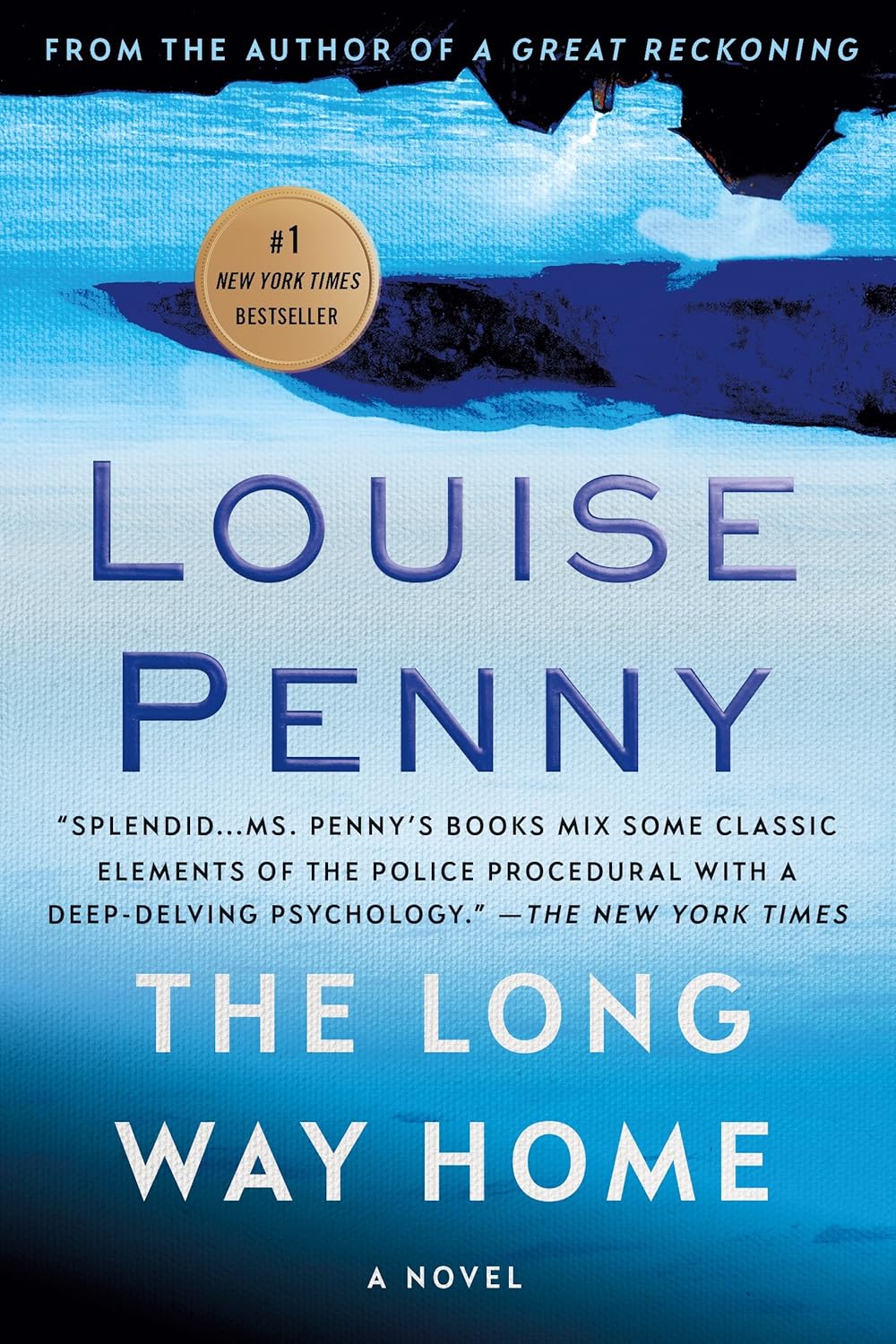
What happened to Peter Morrow?

By Ande Jacobson

After How the Light Gets In, the tenth mystery novel in Louise Penny’s Chief Inspector Armand Gamache (of the Sûreté du Québec) series, The Long Way Home, is truly a palate cleanser as a literary friend recently noted. First released in 2014, this book picks up where the previous book left off and resolves the remaining story arc surrounding Clara and Peter Morrow’s marriage that had been in limbo. Clara had sent Peter away with the understanding that he would return in a year for them to reevaluate whether they could save their marriage or go their separate ways. Clara remained in Three Pines, and Peter went to parts unknown. A bit over a year later, he still hasn’t returned, and Clara is concerned. Now that Armand Gamache is happily retired and starting to delve into the ghosts of his own past while living peacefully in Three Pines, Clara approaches him with her concerns, and the new mystery begins to unfold. Continue reading
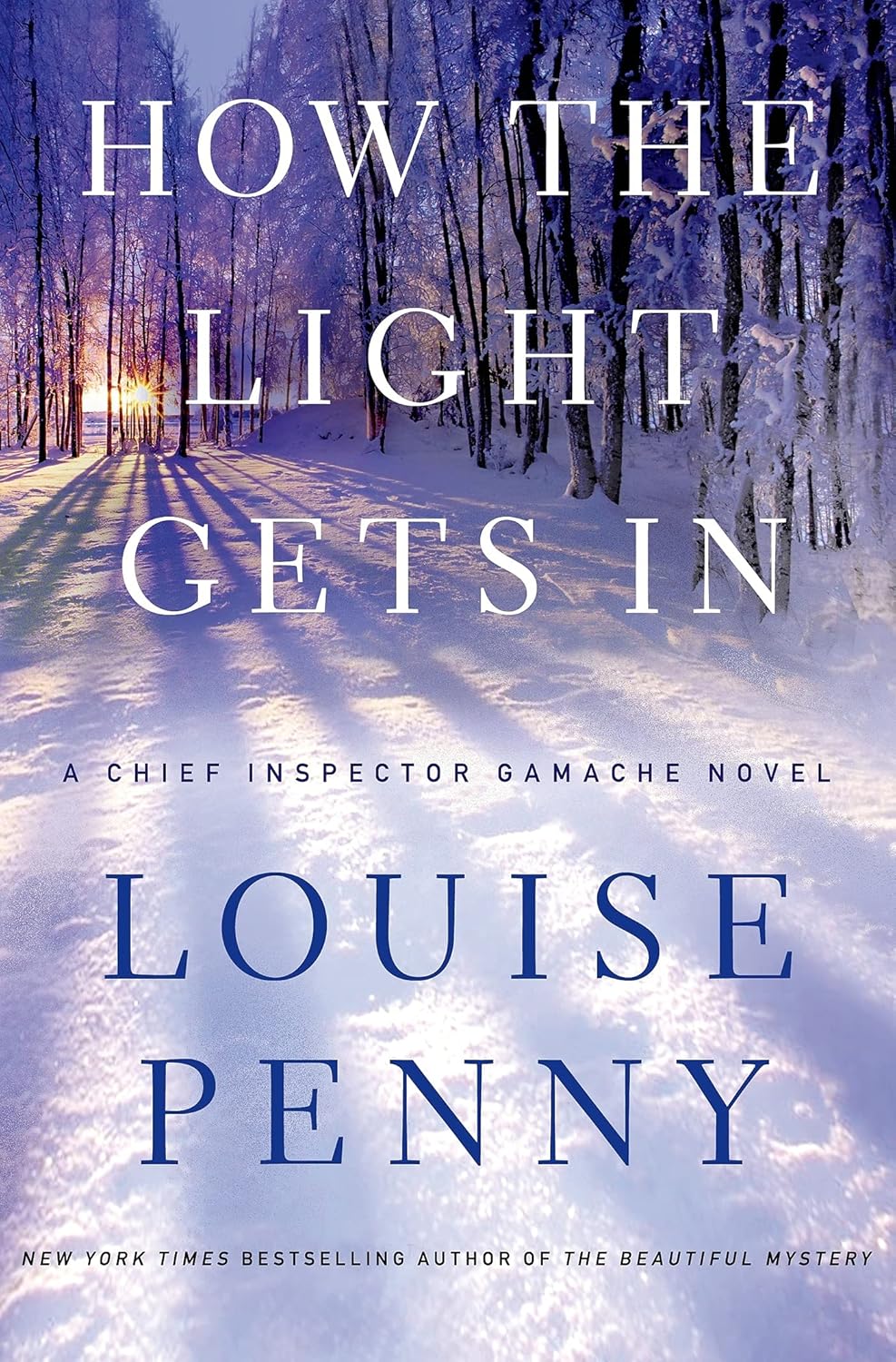
We need to be open to the light

By Ande Jacobson

How the Light Gets In is the ninth full-length mystery novel in Louise Penny’s Chief Inspector Armand Gamache (of the Sûreté du Québec) series, and was first released in 2013. This book resolves several long story arcs that have grown throughout the series. The most emotionally impactful is how the rift between Armand and his trusted second, Jean-Guy Beauvoir, finally resolves. Throughout the previous few books, Jean-Guy struggled with his feelings of abandonment from a traumatic police action that left him and Armand severely injured and many on their team dead. Armand’s superior, Sylvain Francoeur takes advantage of this rift and drives a wedge between Jean-Guy and Armand both personally and professionally. In this current book, that all comes to a head and is finally, and very satisfyingly resolved, but not without some serious consequences and life changes. Continue reading

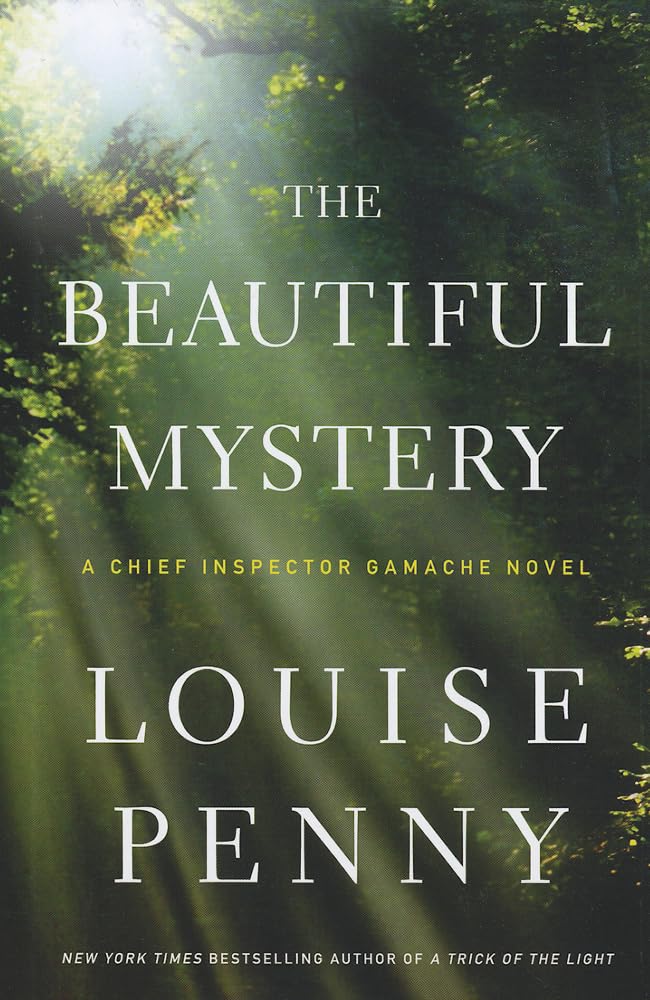
Facts vs. Faith

By Ande Jacobson

The Beautiful Mystery is the eighth full-length mystery novel in Louise Penny’s Chief Inspector Armand Gamache (of the Sûreté du Québec) series, and was first released in 2012. This book is different than most of those before it in the series in that the story doesn’t take place in Three Pines. Evidently the murder capital of Québec took a break, and Armand and his second in command, Jean-Guy Beauvoir, head to the wilderness to a remote monastery forgotten by the church and by society until recently. The Gilbertine order, named for Gilbert of Sempringham, was thought to be extinguished or disbanded during the Inquisition, but instead they merely fled Europe for a remote part of Canada where they built the last remaining monastery to continue their brotherhood. The monastery, named Saint-Gilbert-Entre-Les-Loups, garners Armand’s attention when a monk is found dead, presumably murdered, in the abbot’s garden one morning after Lauds. So begins the adventure. Continue reading

Artistic murder

By Ande Jacobson

A Trick of the Light is the seventh full-length mystery in Louise Penny’s Chief Inspector Armand Gamache (of the Sûreté du Québec) series, first released in 2011. This time, Clara Marrow has finally made it as an artist, as she has her solo show at the famed Musée d’Art Contemporain in Montreal. Unfortunately, her night of celebration ends with a tragic murder that isn’t discovered until the next morning. No, Clara isn’t the one murdered, but her one-time friend turned arch enemy is, and Three Pines is again on edge as there are too many suspects that Armand and his team must sort through to find the why and how and identify the real killer. Continue reading

History, mystery, and beyond

By Ande Jacobson

Bury Your Dead is the sixth book in Louise Penny’s Chief Inspector Armand Gamache (of the Sûreté du Québec) series, first released in 2010. This time, there are three separate, yet strangely related cases at hand. One is a case that happened between books and has caused Armand’s team serious harm. The details in the aftermath seep out throughout the book, bringing to light more of Armand’s and Jean-Guy’s inner fears and strengths. One is the case from the previous book, The Brutal Telling. Armand, never satisfied with the outcome of their last Three Pines murder asks Jean-Guy to return to Three Pines to re-investigate quietly to see what they might have missed. The third and primary case is a new mystery that brings into question aspects of Canadian history. Penny did a great deal of research for the main story this time delving much deeper into her nation’s history and various assumptions about the clashes between the Francophones and Anglophones who live side-by-side in Québec. Continue reading

Why is the question

By Ande Jacobson

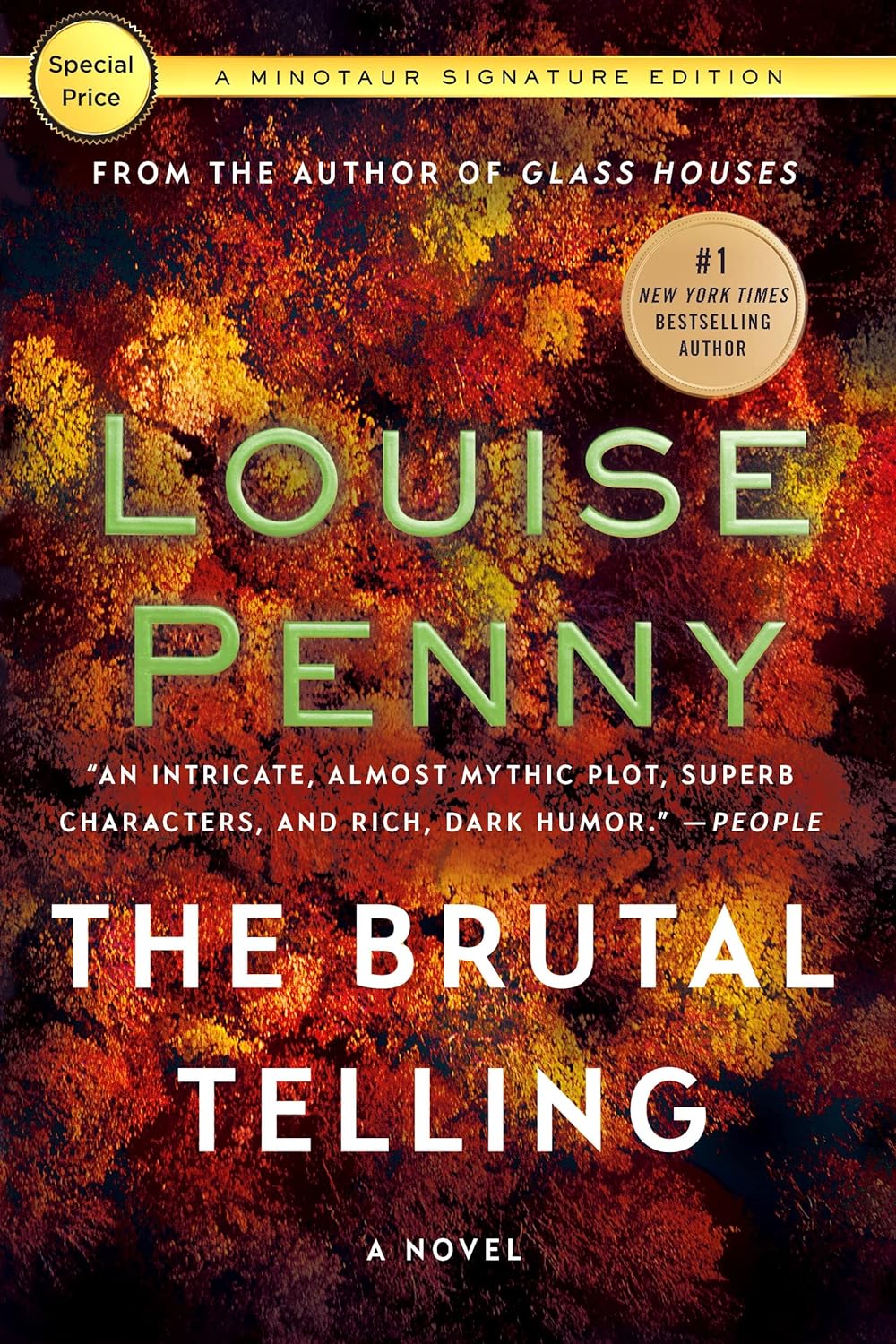
The Brutal Telling is book five of Louise Penny’s Chief Inspector Armand Gamache (of the Sûreté du Quebec) series, first released in 2010. Inspector Gamache and his team are back in Three Pines investigating a strange murder. This time, a body is found on the floor of the bistro owned by Olivier Brulé and Gabri Dubeau, and nobody appears to know who the victim was. Through the investigation, Gamache finds numerous inconsistencies, uncovers some deep seated animosities, and finds a cabin in the woods with treasures beyond comprehension. The murder victim apparently lived in the cabin, and as the investigation proceeds, it seems that despite his protestations to the contrary, Olivier knew him. Continue reading

The Morrows and a murder

By Ande Jacobson

A Rule Against Murder is the fourth Chief Inspector Armand Gamache (of the Sûreté du Quebec) story by Canadian author Louise Penny first released in 2009. In Canada, the title was originally The Murder Stone which gives more away about the mystery from the outset. This time Armand and Reine-Marie are enjoying an anniversary trip to the luxurious Manoir Bellechasse, an inn in a lovely forested location not far from Three Pines. They had planned to enjoy the scenery and each other’s uninterrupted company in the peaceful old-world setting. The only other guests are the Finneys – a large, wealthy, multigenerational family there for their own celebration of sorts. Early on Irene Finney, the matriarch of the Finney family, and her adult children get the entirely wrong idea about the Gamaches thinking that Armand is a lowly shopkeeper, and Reine-Marie is a cleaning women when they misinterpret something that the Gamaches say in casual conversation. The Finneys are awaiting the wayward sibling and his wife, who surprisingly turn out to be Peter and Clara Morrow from Three Pines. Peter and Clara arrive the night before a statue of Irene’s first husband, Charles Morrow, is to be unveiled. It turns out that Bert Finney is Irene’s second husband, but her children (Thomas, Julia, Peter, and Marianna) are all Morrows. Continue reading

Can somebody be literally scared to death?

By Ande Jacobson

The Cruelest Month is the third Chief Inspector Armand Gamache (of the Sûreté du Quebec) story by Canadian author Louise Penny. Penny has kept a pace of one or two Gamache mysteries a year since she started the series, and this one was first released in 2008. As usual, the murder requires some setup through the first quarter of the book, and when it comes it hits hard.

Easter is fast approaching, and Three Pines has a visitor – a psychic named Jeanne Chauvet with a surprising history. She’s staying at the B&B where all visitors tend to stay, and Gabri is beside himself with excitement. He convinces Jeanne to lead a séance at the B&B on Good Friday, an activity she ostensibly hadn’t planned on as she had other plans for her time in the village. Still, Gabri is her host at the B&B, so she eventually acquiesces and holds an informal ceremony that night after most of the villagers had spent the afternoon hiding wooden eggs for the upcoming Easter egg hunt. There’s a story behind the wooden eggs that’s nicely covered in the book. For now, suffice it to say that Three Pines has some interesting creative traditions. Continue reading

A most ungraceful exit

By Ande Jacobson

A Fatal Grace is the second of Louise Penny’s Chief Inspector Gamache stories. It was first released in Canada as Dead Cold in 2006. Although it takes several chapters before the primary murder of interest occurs, Armand Gamache ends up back in Three Pines again. For a small village outside of Montreal, Three Pines might rival Cabot Cove in Maine for the most murders per capita, and this is only one of the murders being investigated by the famed Chief Inspector this time. He has two investigations going on. The primary case occurs on Boxing Day in Three Pines and involves his full team. The secondary case is one involving the murder of a homeless woman in Montreal that occurred a few days earlier though most of his team is unaware of the Montreal murder. He keeps that case close to the vest as it is a recent one that he’s investigating on the side for a friend with the Montreal Metropolitan Police. Gamache is a Chief Inspector with the state police – the Sûreté du Quebec, and he and his wife (Reine-Marie) have a Boxing Day tradition of combing through the cold cases brought by Marc Brault of the city’s force while Brault does the same with some of Gamache’s more stubborn cases. Why such a recent murder would be a cold case intrigues Gamache. As for the trade, new sets of eyes could sometimes break the logjam. Continue reading

Life is anything but still

By Ande Jacobson

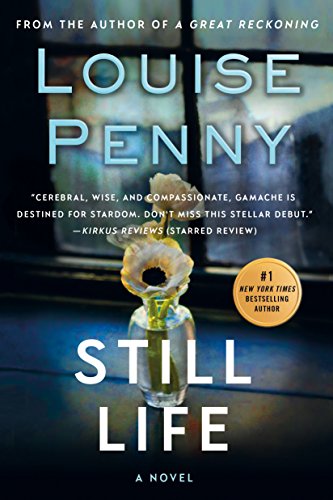
Still Life is Louise Penny’s first Chief Inspector Gamache story from 2005. Armand Gamache is a Chief Inspector from the Sûreté du Québec in Montreal who gets called to investigate a suspicious death in a small village not too far away. This is both Penny’s first novel and the first book in her long series of beloved detective stories. While the mystery in this story unfolds in the fictional village of Three Pines, it has been hypothesized that the location is based on Penny’s hometown of Knowlton in Southern Québec. Still Life was first written in English and has since been translated into multiple languages. In the English version, Penny sprinkles bits of French into the description and the dialog on occasion given where the story takes place. Fortunately, a knowledge of French isn’t necessary to fully enjoy the book.

Penny draws vivid characters who delight readers with their quaint observations and local quirks and customs. Her stories are thought of as gentler crime novels with very little violence and no sex which makes them far different from most of the aggressive stories that are so pervasive these days. These stories are instead built through character studies and relationships as Penny focuses on the human and humane interactions. Continue reading