What makes us tick?

By Ande Jacobson

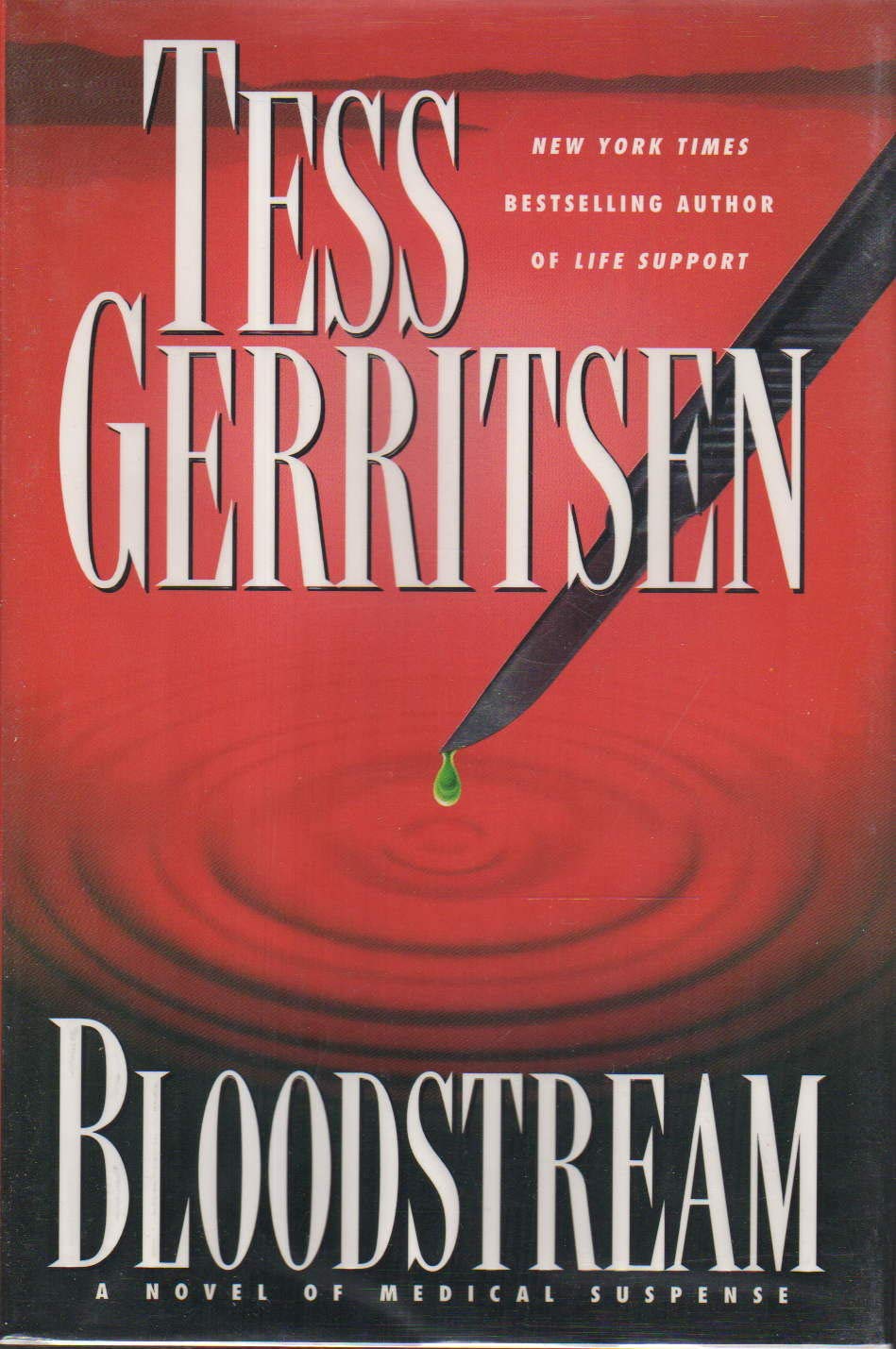
Tess Gerritsen continues her medical thrillers with Bloodstream, first released in August 1998. As she has done with her previous medical stories, she again tackles a complex medical mystery that wreaks havoc on a community and intersects with a serious societal issue. This time the story takes place in a quaint fictional town in Maine named Tranquility. As a point of interest, Gerritsen later revisits Tranquility in a different book series – The Martini Club series. Tranquility is modeled after the town where Gerritsen and her husband live. It’s a town where everyone knows everyone else, but there are some skeletons in the community closet both in real life and in the fictional counterpart. For Bloodstream, the story begins in the past in 1946 when a horrific spate of violence occurred. While readers are introduced to the rage that ensued, it’s not fully explained at that point. Gerritsen then moves to the present at the time of her writing in the late 1990s. Claire Elliot is the town’s new doctor having bought her medical practice after the previous town doctor died. She and her teenage son Noah moved to Tranquility from Baltimore for a new start. Claire had been widowed young, and she and her son were both still having difficulty coming to grips with their loss. She is a very capable general practitioner, but she runs up against the provincial attitudes often seen in many small towns. There is an inherent distrust of any outsider that acts as a barrier to community inclusion. Noah too has difficulty fitting in with his cohort, and at the start at least, he really wants to go back to Baltimore. Continue reading
What is the cost of living forever?

By Ande Jacobson

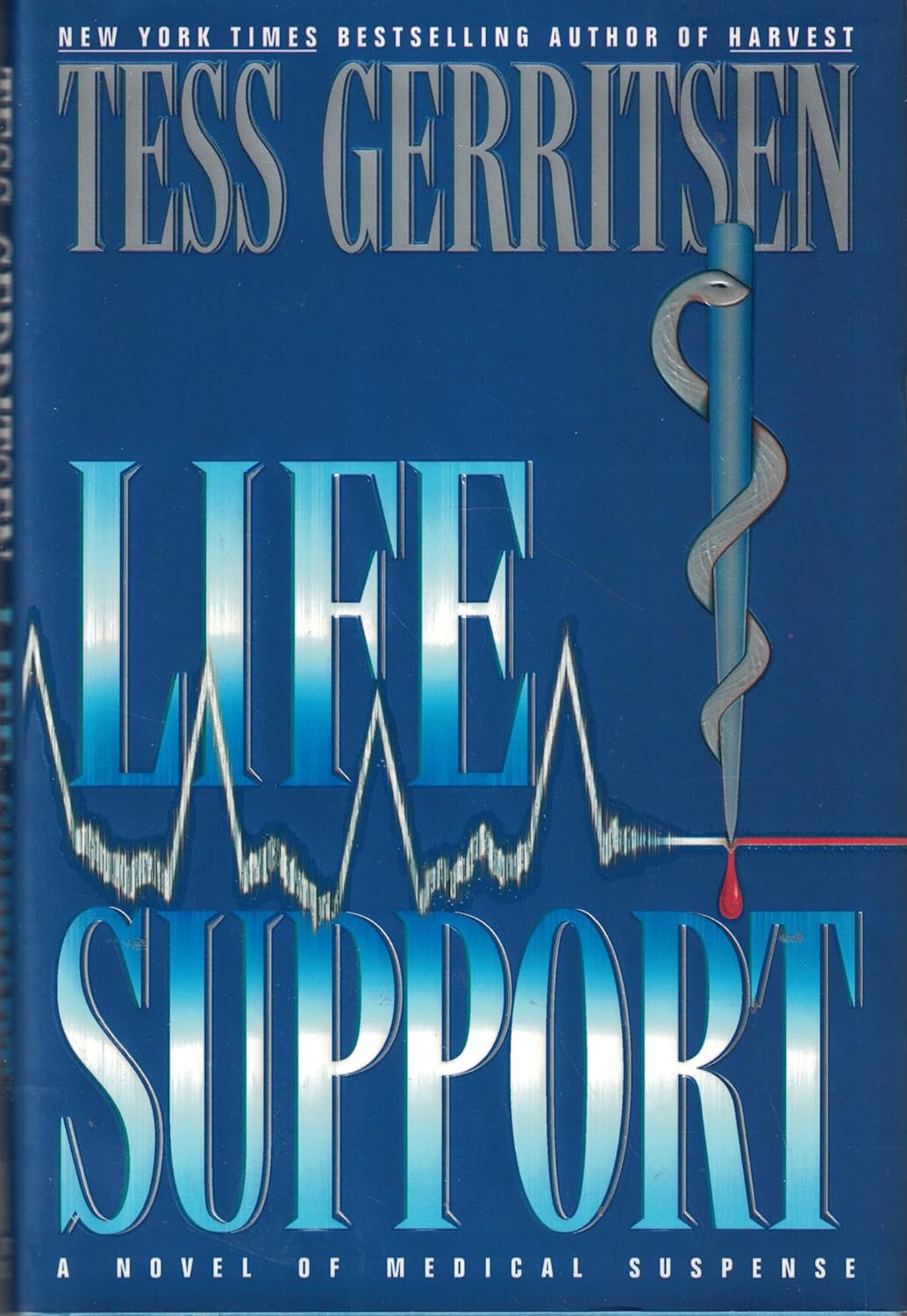
Tess Gerritsen continues her medical thrillers with Life Support, first released in September 1997. As she did in the first of her medical thrillers, she tackles a controversial area of medicine, this time dealing with research into human life extension despite the dangers uncovered along the way. Gerritsen has a way of weaving a compelling story while drawing the reader deeply into disparate details that seem unconnected until much later in the story. She relies heavily on her background as a physician to give the reader a deep understanding of the medicine involved, carefully blurring the lines of what is currently possible. Along the way, Gerritsen also delves into medical research in a way that will likely give readers pause when it comes to exactly what goes into a given research project, from the medicine involved to a quick primer on some curious aspects of genetic engineering. Continue reading

Parts for sale

By Ande Jacobson

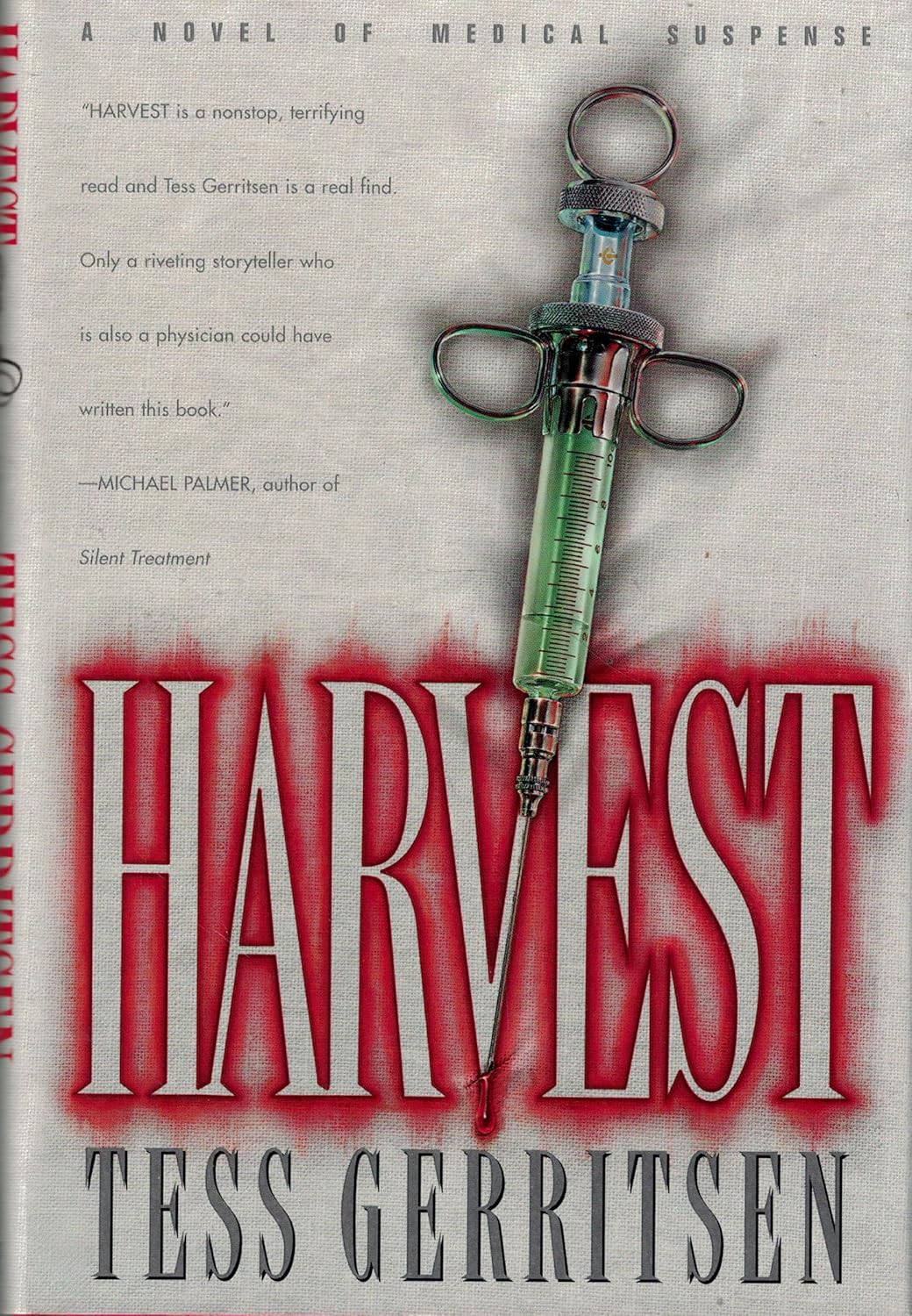
Before Tess Gerritsen began writing her Rizzoli & Isles series, she wrote a number of medical thrillers. The first of these was Harvest, released in September 1996. Her experience as a physician leant itself to tell compelling stories surrounding medical situations, and it also raised her awareness of various societal crises based on manipulation of the healthcare system. Harvest combines a riveting thriller with a very real crisis situation surrounding organ transplants. In particular, the mystery in this story explores how the morbidly wealthy and the very greedy can sometimes work together to circumvent the need-based processes in place. In the real world, organ transplants are lifesaving. They can take a person from death’s door to restored health, but they come at a cost. For most organs, particularly things like hearts and lungs, they come available only when an organ donor dies. While a directed donation can be made in some cases, the general system in place to provide these precious organs is based on patient need. The more severe the need, the higher a patient’s priority on the recipient list. Their financial and social status is not taken into account, only their medical need is relevant. Unfortunately, there’s a rather robust black market that some very wealthy individuals turn to in order to jump the line. The market consists of profiteers who garner the services of some less than reputable physicians to harvest organs from donors that are sometimes “created” to supply these precious organs to those willing to pay. Sadly, some with the resources available would be willing to pay almost any price to save their loved ones denying those in greater need of their very lives. Of course, evaluating medical need can also be tricky, particularly when so few organs are available meaning that whoever doesn’t get a given organ may not live long enough for another compatible organ to come available the normal way. Continue reading