 By Ande Jacobson
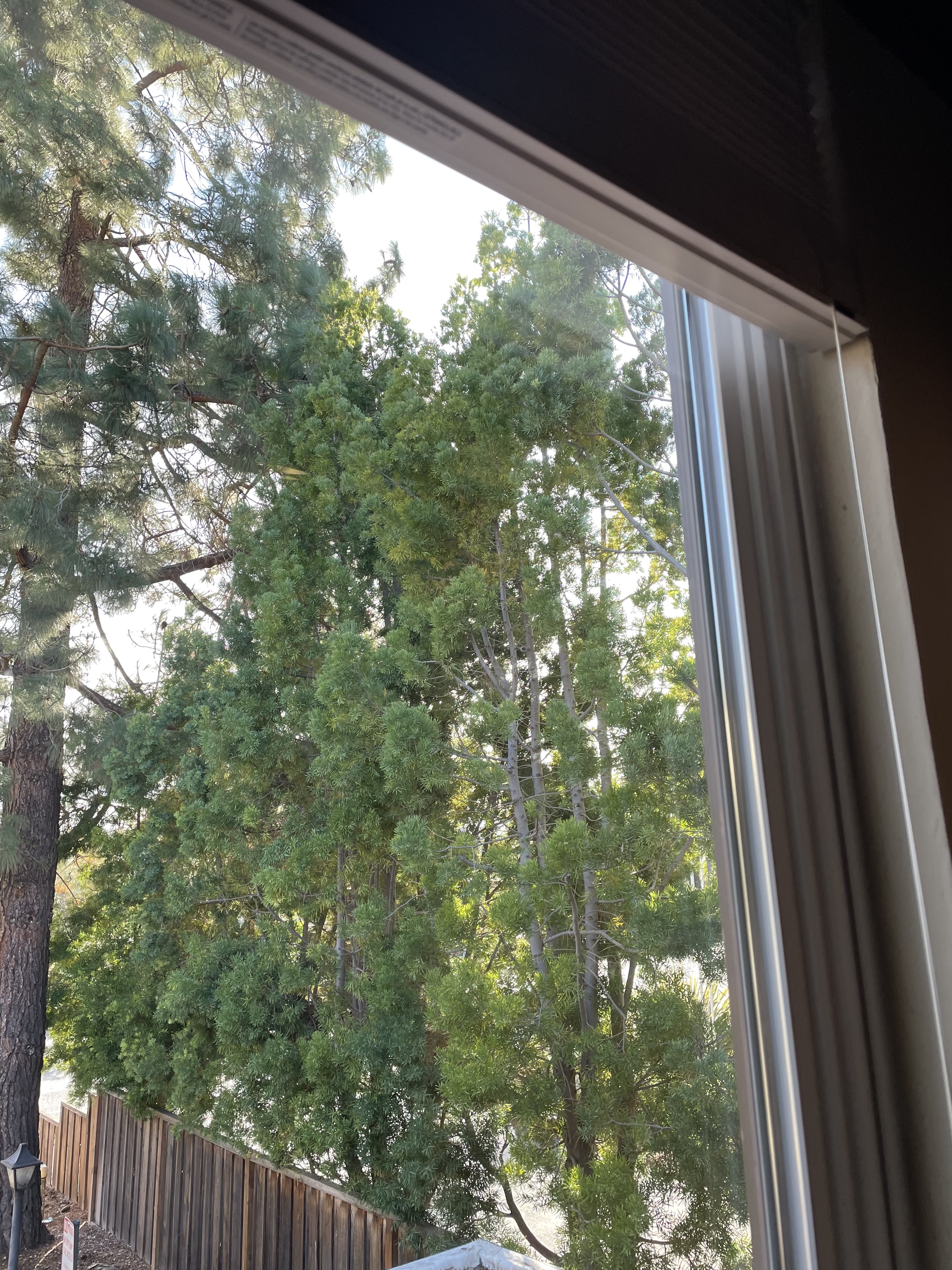
May 2025, the heart of spring. While my favorite season is fall because I greatly prefer the weather compared to that of any other season, spring normally signals hope and energy after the winter recedes and the plants reawaken. This year, nature is doing its thing. The trees are green. The flowers are blooming. The bugs are starting to amass. Little squirrels and birds are running all over the place. But this spring still doesn’t feel like spring. Yes, the outside appears much the way it always does this time of year. Alas, the inside is different. There are always things to be concerned about, but this year it’s hard to know where to start because so many things are at risk that don’t have to be. There are many things to consider, and not all of them are related directly to the crises we face.
I recently posted an article across my various social media accounts about habits that will make us happier. It was a compilation of recommendations from a psychologist who heads the Department of Psychiatry at a major medical center in the U.S., and it was truly about self-care, something that becomes even more important during trying times. A friend commented on my post on one of the platforms I use that he didn’t think it was appropriate to feel happy when we’re losing our democracy, which got me thinking. Continue reading
 A Good Reed Review