 By Ande Jacobson
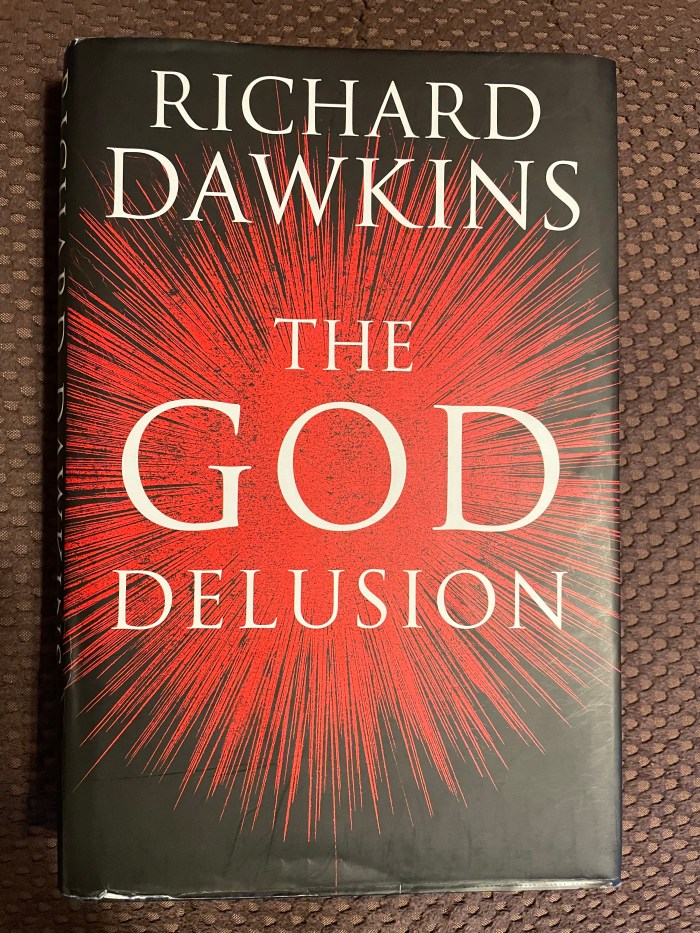
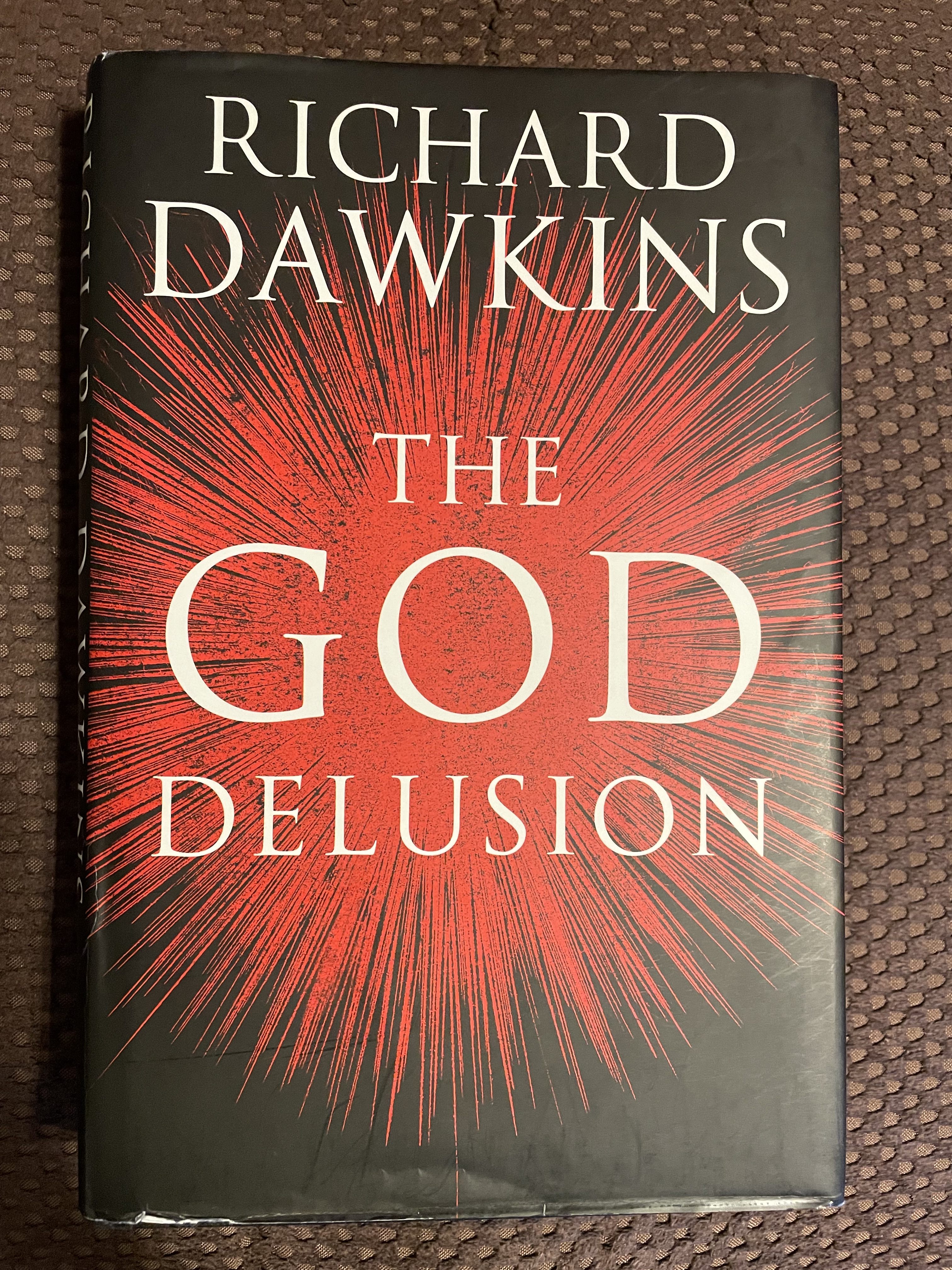
In 2006, Richard Dawkins wrote a book that has garnered high praise from some and unabashed fury from others. The book has the provocative title, The God Delusion. Dawkins uses his background as a scientist specializing in evolutionary biology to examine a simple conceit to explain why so many people refuse to even consider leaving religion behind despite compelling evidence to refute its validity: “I didn’t know I could.” In his Preface he explains that his intention in writing this particular book is to raise consciousness to a few ideas such as why atheism has merit and can facilitate a productive and fulfilling life without guilt or apology; how concepts like natural selection, though often misunderstood, provide more probable alternatives to religious dogma; and how religion corrupts childhood and encourages exclusion. He acknowledges the importance of various scriptures such as the Bible, not as divine instruction, but as works of literature or historical fiction. As such, he explains how they provide cautionary tales and cultural references while inspiring countless modern works of literature, and he laments the ever decreasing familiarity with such sources even amongst those who claim to be religious. Mostly he intends his book to inspire people to think and examine the world around them anew, open to the beauty that comes with greater understanding through science. Continue reading →
 By Ande Jacobson
 A Good Reed Review