How is living through the pandemic like space?

By Ande Jacobson

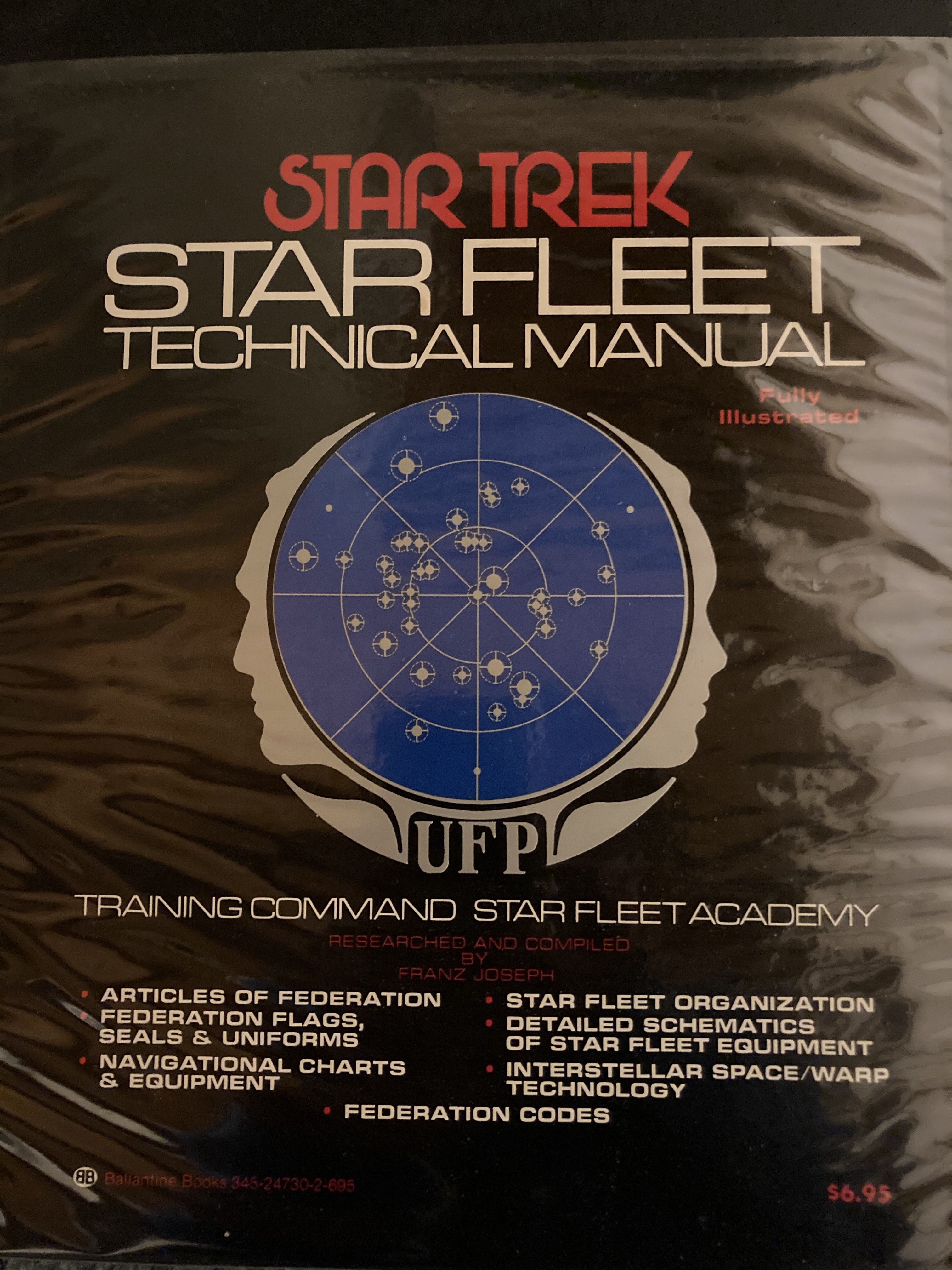
I have long loved the world of Star Trek and science fiction in general. I can remember imagining possibilities as a child while walking to school, wishing that it were possible to be beamed up to a starship to travel to new worlds and join with others in exploring the vastness of space. In the real world of my childhood, I got to watch, along with the rest of the world, as Neil Armstrong and Buzz Aldrin walked and jumped on the moon for the first time. Although very different from the pictures painted by my favorite television series, it was a breathtaking adventure that sparked many dreams. I later studied space travel and learned how manned space flight changed over time beginning with the U.S. Gemini and Apollo programs through the advent of Skylab, Mir, and the International Space Station. Various probes and telescopes continue to explore beyond the earth’s boundaries to give us crucial information about what’s really out there. We still haven’t achieved the level of development depicted in the Star Trek universe, nor have we discovered the kinds of life imagined by various science fiction writers, but we have grown outward and created stories, both real and imagined, related to what’s beyond our little blue planet. Continue reading

A Dinner Surprise

By Ande Jacobson

Since surviving the pandemic of 2020 Bea continued eating all of her meals at home. Even after the crisis had passed, although she ventured out for work and various activities, for Bea, one dinner was much like the next. Her meal consisted of a plate of rice or noodles covered in veggies, chicken, and cheese, and she zapped it in the microwave. She lived alone and loathed housework and cooking, so anything that kept those to a minimum was a plus. Continue reading

Taking Action!

By Ande Jacobson

Stories. We all relate through stories. We use them from the time we’re small to help us learn language and other skills we need to function as members of society. We use them in our families to ensure that we don’t forget those who came before us. We use them in school as students and teachers to illustrate new concepts and explore the vast world around us. We use them at work to convey information. We use them for entertainment to draw out emotions. We use them throughout society to help understand where we are, and how we got here. We use them in politics to persuade and move people to take action. Continue reading

Trouble – when the story matters more than reality

By Ande Jacobson

In theater or in literature, an author’s vivid imagination can be a wondrous thing. A writer can spin a captivating tale limited only by the bounds of their imagination and their ability to capture their vision in words. If told well, such a story can be divorced from reality yet still provide compelling entertainment for its audience. In this context it’s not only acceptable, it’s desirable, and viewers or readers can find escape through immersion in such a story. It can be enjoyable to suspend disbelief enough to imagine what might be, and it can even inspire people to positive action to improve a situation in reality. Science fiction has long posited potential advances, both good and bad, that are sometimes achieved at a later time. The communicators used in Star Trek in the 1960s were intriguing. They allowed people to communicate over long distances from wherever they were with a tiny device seemingly by magic. Decades later, they came to life in the real world as flip phones as a phase in the evolution of mobile technology. Granted, there were significant differences in range, clarity, and required infrastructure, but the similarities were striking given various designs inspired by the fictional story. Since then, mobile technology has advanced in the form of smart phones and devices, delighting consumers and titillating the minds of creative engineers to continue to push even further. Continue reading

Eclipsing Reality

By Ande Jacobson

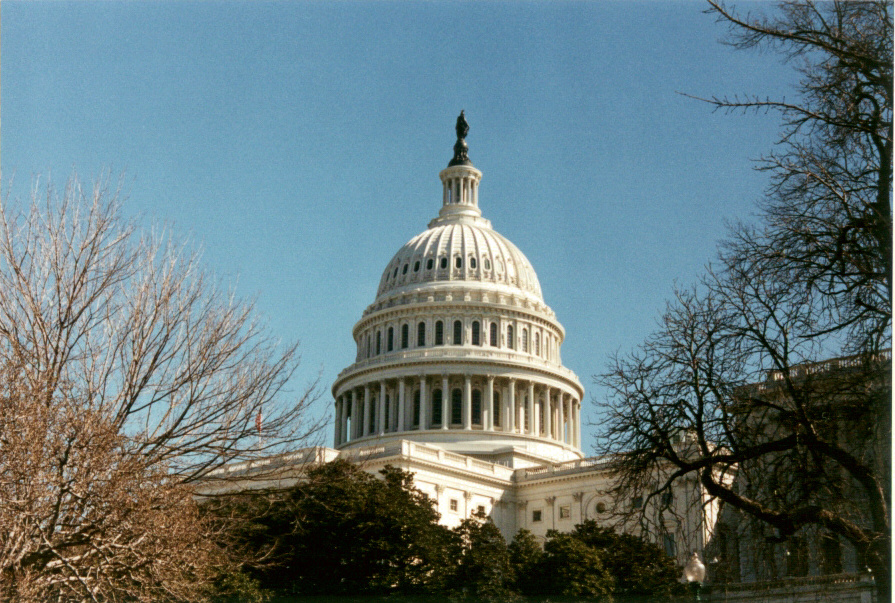
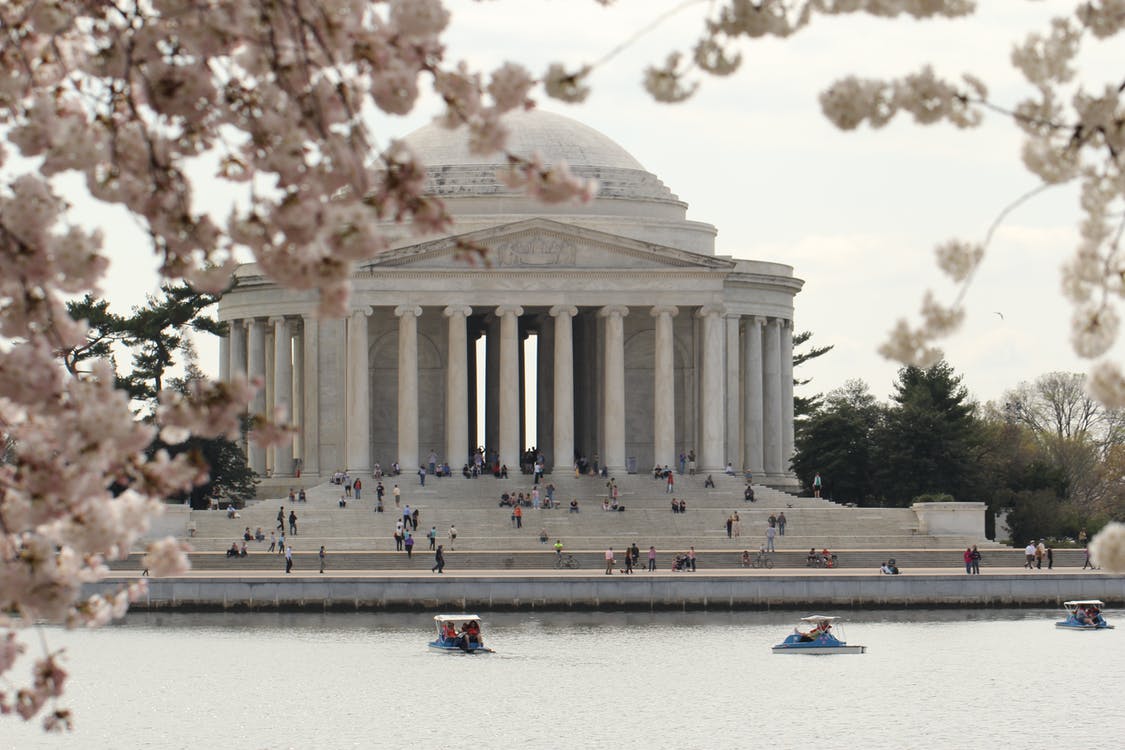
Years ago, although I lived and worked on the west coast, I spent a good deal of time near Washington, D.C. on some temporary work assignments. On these extended trips with my technical team, I had some time to explore the various museums and monuments on the weekends after some very long work weeks. Little did I know that one such outing would blossom into a vivid lesson on how easily people can be swayed by exaggeration or even completely false information presented as fact, eclipsing reality in dramatic fashion. Continue reading

How the South Won the Civil War unmasks the American paradox

By Ande Jacobson

Professor Heather Cox Richardson, a prominent professor of American history at Boston College, has gained notoriety in the last several months as the author of a popular series entitled “Letters from an American” which appear on her website as well as on her professional Facebook page on a nightly basis. She began writing these letters in early November 2019 in response to numerous questions she received trying to make sense of the political events of the day. In these letters she provides a nightly roundup of the day’s political news, and along the way, she provides lessons delving the depths of American history to show where many of these ideas and tactics originated. On April 1, 2020 (after she was well into her nightly series), her latest book, How the South Won the Civil War: Oligarchy, Democracy, and the Continuing Fight for the Soul of America, was released. In this book, she describes what she refers to as the American paradox. This paradox is based on the principle that throughout American history, equality depended on inequality. She shows how this paradox started before the founding of the country and ripples throughout our nation’s history driving much of the division we see in American society today. Continue reading

My magical, musical journey: Part 3 – the college years

By Ande Jacobson

This piece of the journey picks up where part 2 left off. When I started college, I was torn. I loved music with every fiber of my being, but I also very much loved science and math. I wanted to become a doctor, but I still considered majoring in music for a very brief moment. I knew that to get into medical school, one only had to fulfill the required coursework and take the Medical College Admission Test (MCAT), but they could major in anything they liked. Still, I loved math and science, so I decided that I would major in the sciences, but still pursue my music somehow. Long story short, I never got into medical school. In fact I never even applied. Along the way, I switched from majoring in biochemistry to electrical engineering (still heavily in the math / science realm), and I pursued my music as well, just not as a major or even a minor. I also made one very firm decision before I got to the campus to start my first term. I never wanted to march again. Continue reading

My magical musical journey: Part 2 – high school acceleration

By Ande Jacobson

This piece of the journey picks up where part 1 left off, the summer before my freshman year of high school. Leaving junior high behind, there was a lot ahead, and that summer was an eventful one. Normally, the incoming freshman class didn’t start band rehearsals until school commenced in the fall, but this particular summer was different. The band had been invited to participate in a massive summer parade as part of the Lions Club International conference in San Francisco, so there was no time to lose. The high school’s band was an award winning organization known throughout the western region as a top notch marching band. Their strength wasn’t in the drum corps style of marching or field shows. They thrived on military-style street marching competitions where everything, including standing inspections of the uniforms, hair length, musical interpretation, and marching precision was scored. My class, as incoming freshman, had a lot to learn in short order. Continue reading

My magical musical journey: Part 1 – the beginning

By Ande Jacobson

My earlier commentary, Why care about classical music?, got me thinking back to my musical roots. As mentioned in that article, years ago, my ex-husband had asked me if I hadn’t had my early exposure to music at home, would I have still developed such an affinity for it. At that time, though it surprised him, I told him that there was no way to know for sure. Still, music has always been the one constant source of comfort throughout my life. It hasn’t always taken exactly the same form, but it has always affected me deeply, and it has been central to who I am no matter my endeavor. That said, I wanted to further explore my personal musical journey through a series of essays, and this is the first (chronologically at least) in that story.

As that famous Hammerstein lyric states:

“Let’s start at the very beginning, a very good place to start.”

I can’t begin my own story without starting with my parents. No, I’m not referring to the obvious fact that without them, I wouldn’t physically exist. I am instead observing that they gave me my first concentrated exposure to music. From the very first days at home, a few things happened. Continue reading

My first pit experience

By Ande Jacobson

Last fall, I had the privilege of both music directing an exciting community production of Urinetown, and mentoring a very promising young musician through his first pit experience. It’s one thing to watch a production unfold from the podium, keeping track of all the various things that a music director must, but it is quite another to watch the show develop through a young musician’s eyes, particularly one who is new to the pit perspective. This was an adult community theater production, and this young keyboard player was the only kid in the pit. Everyone else in our mighty little orchestra was an experienced adult player. Continue reading